Sustainable Renovation and Custom Furniture in Horta · “Moments de Te”
Moments de "Te"
Developer:
Private Client
Location:
Horta
Type:
Sustainable Renovation
Small-Scale Urban Bioconstruction
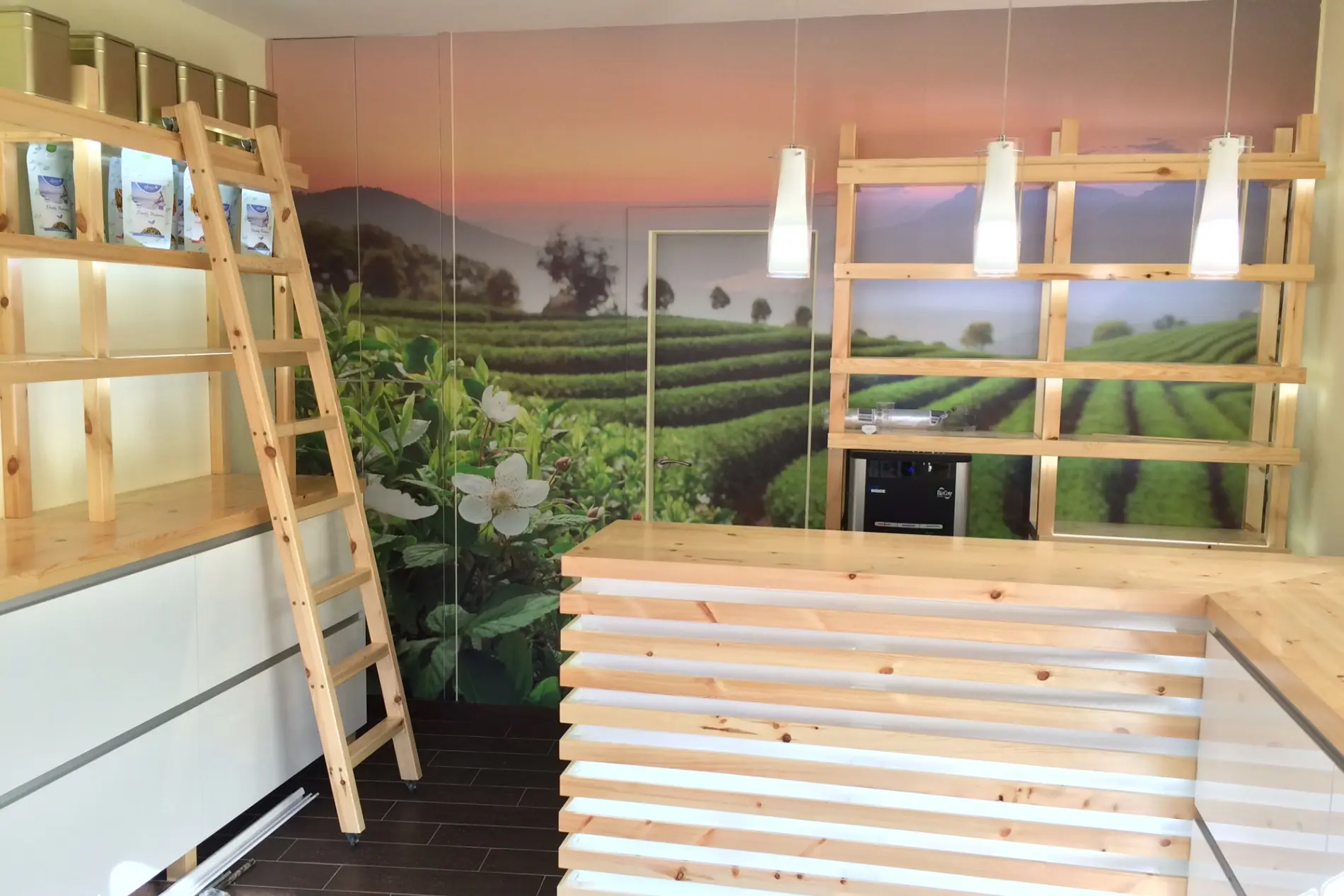
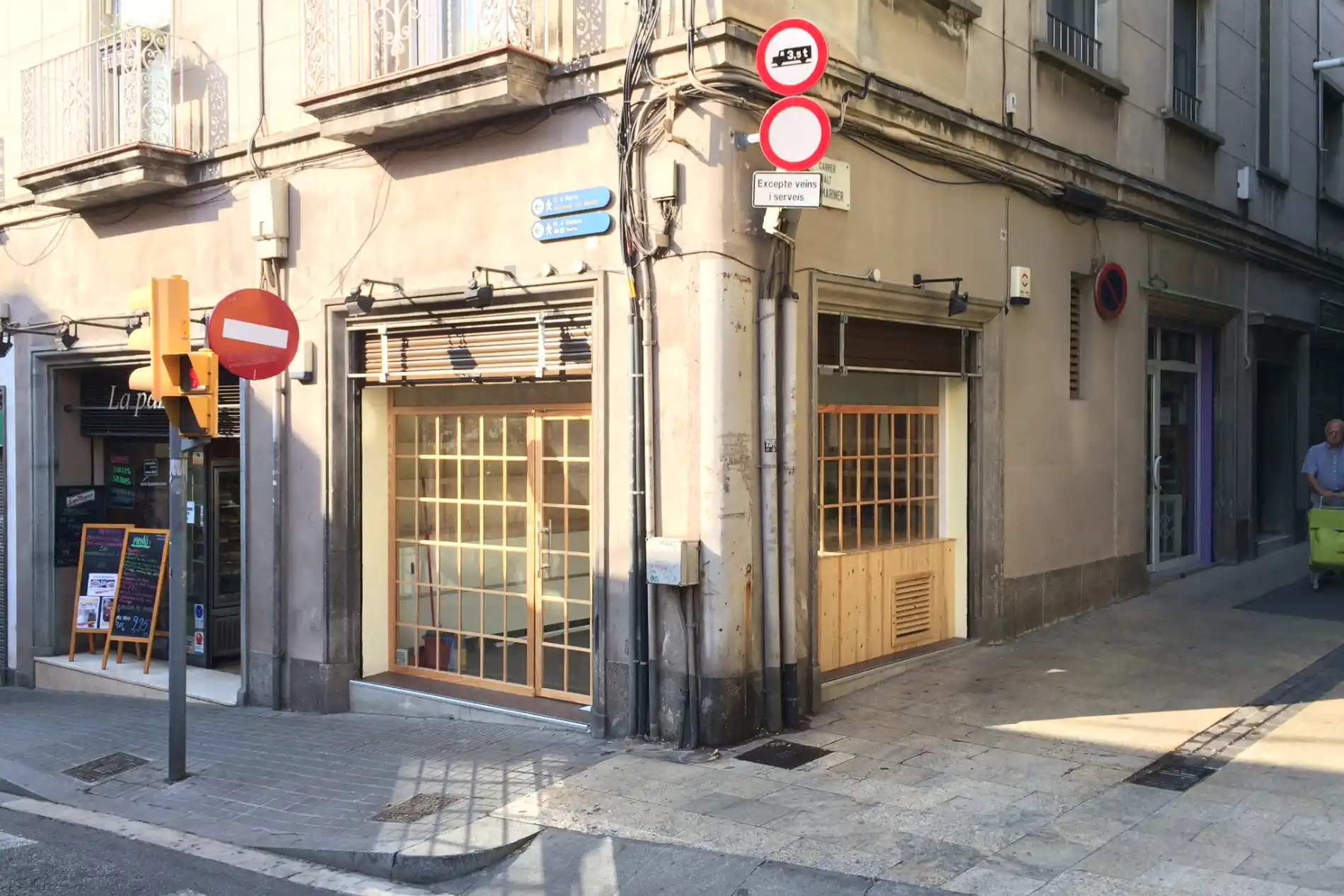
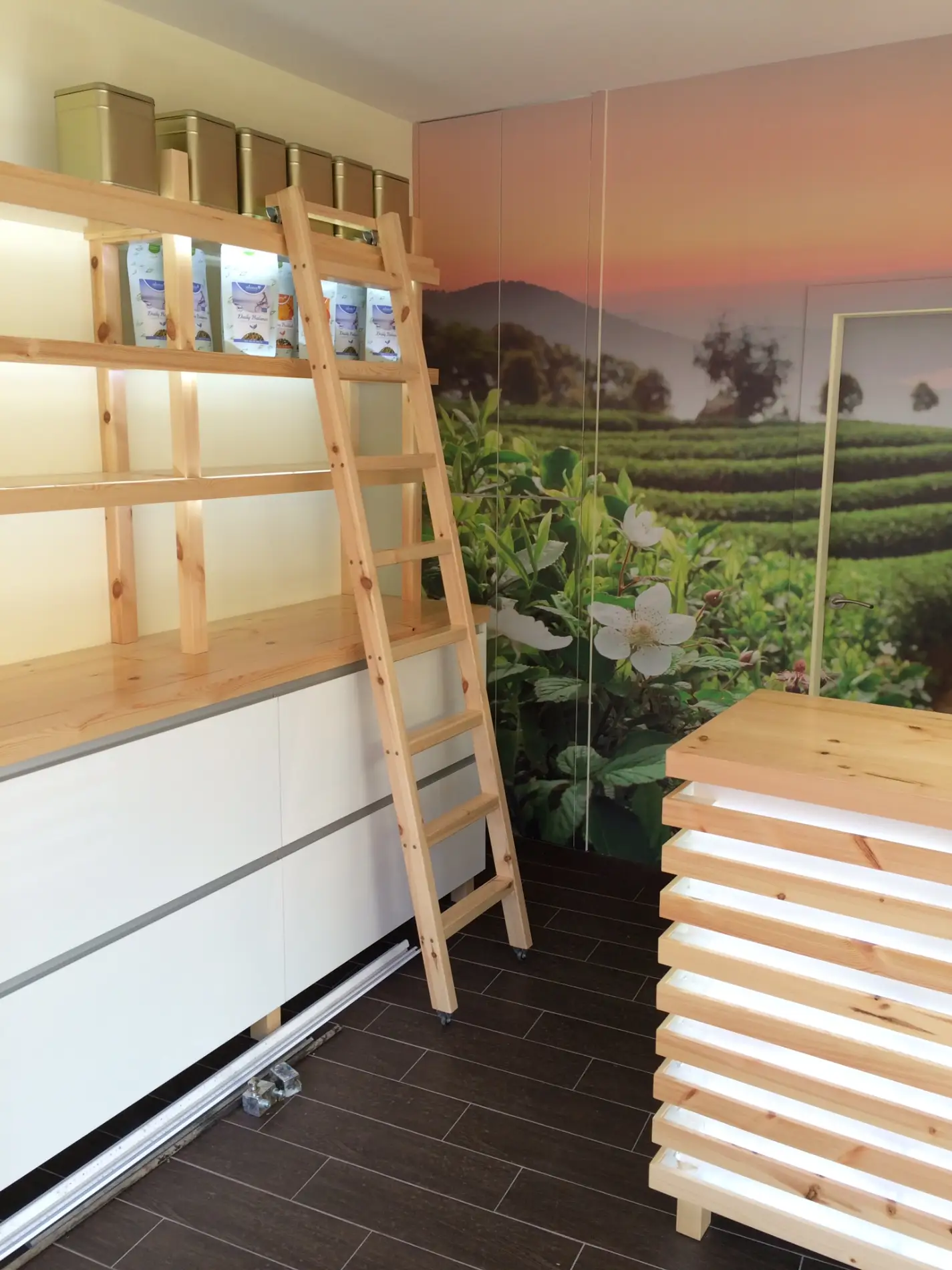
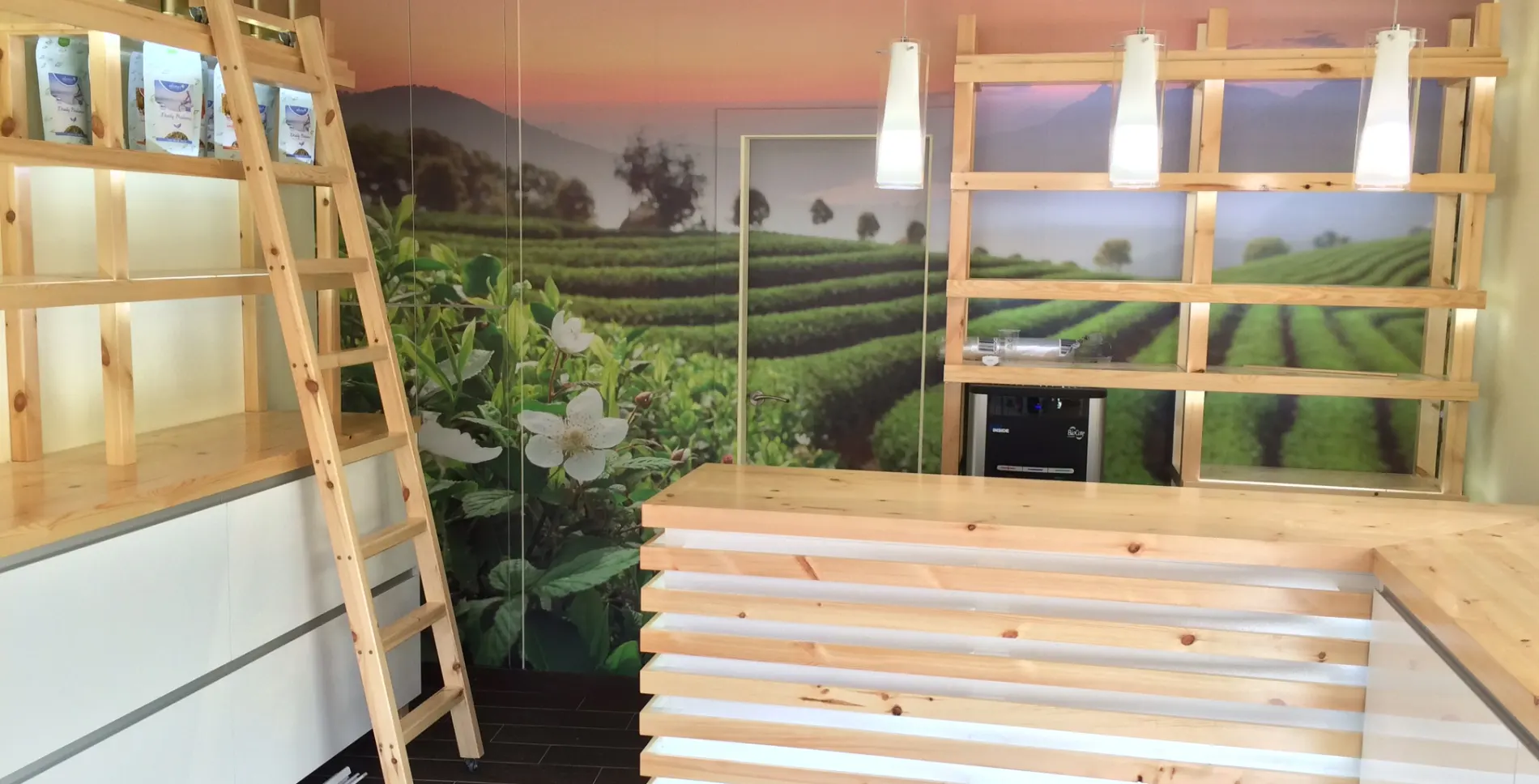
In the heart of the Horta neighborhood, this project involved the comprehensive renovation of a corner commercial space to transform it into a warm and functional tea house: Moments de Te. Despite its small size, we applied a strategy of conscious bioconstruction, demonstrating that even in commercial premises, construction can be carried out with low impact and sustainable criteria.
Renovation with Minimal Environmental Impact
The intervention focused on reusing an existing space, adapting it to its new purpose without altering the main structure. This decision significantly reduces the project’s carbon footprint by avoiding new construction and leveraging the potential of an already established space.
Locally sourced materials, with low emissions and proven durability, were used, prioritizing natural finishes compatible with healthy and responsible indoor use.
Custom Furniture, Functional and Sustainable
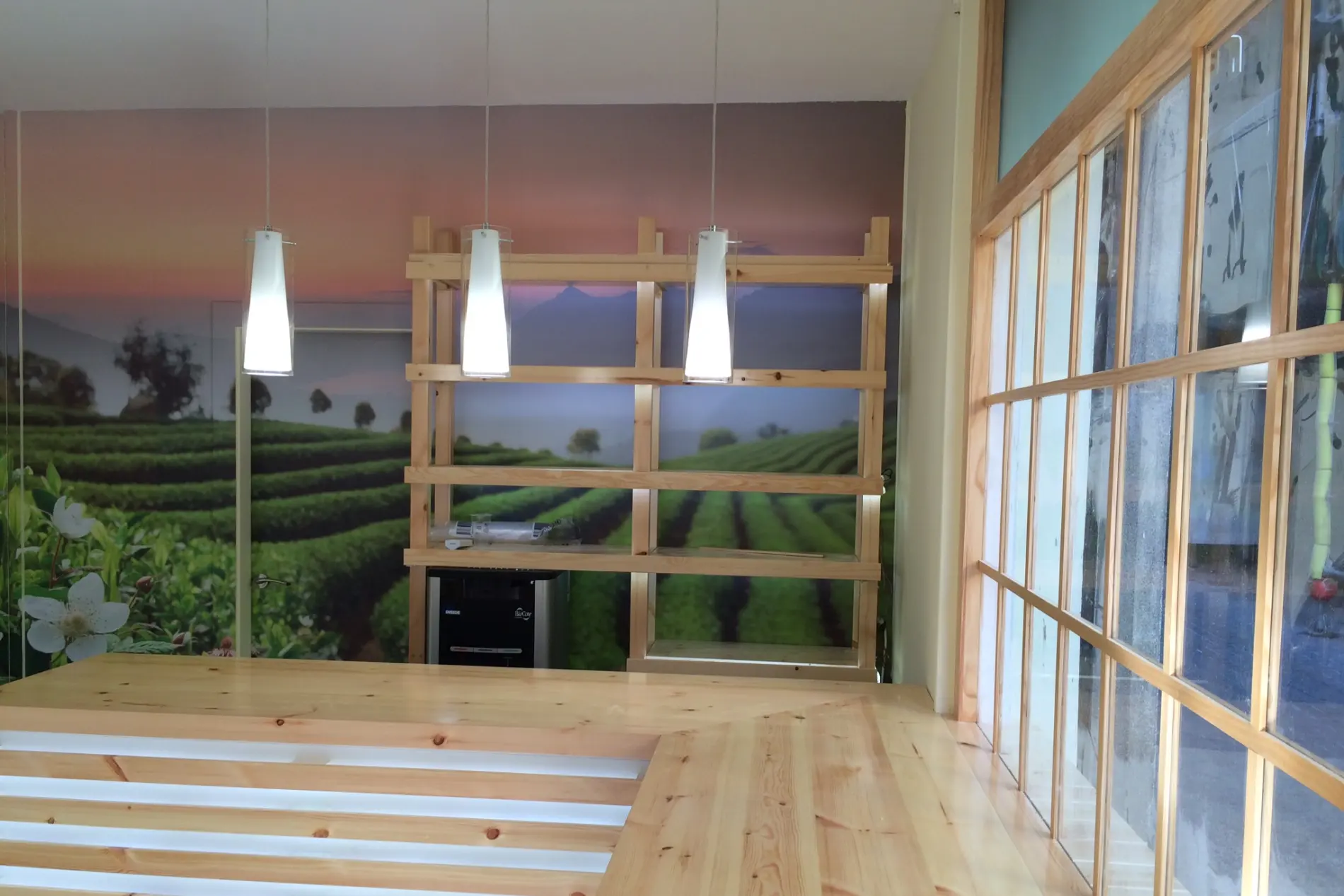
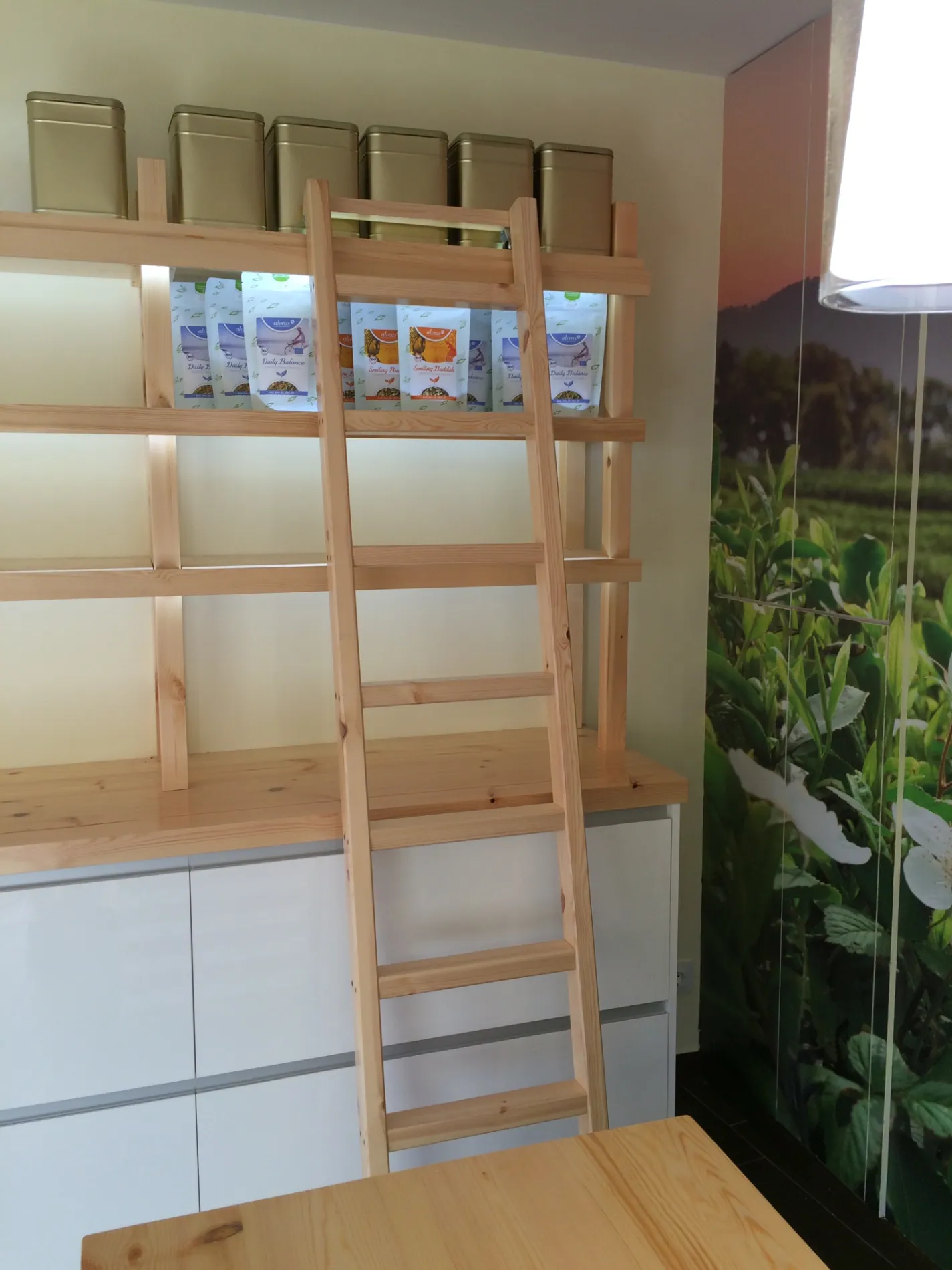
We designed and manufactured all the furniture custom-made, adapting it to the space and the natural flow of customers. This not only improves the functionality of the premises but also allows for control over the origin and composition of materials, avoiding plastics, synthetic derivatives, or toxic treatments.
The use of natural woods without VOCs, water-based varnishes, and mechanical assemblies ensures a healthier indoor environment, in line with the sensory experience offered by the tea house.
Cozy, Healthy, and Low-Impact Space
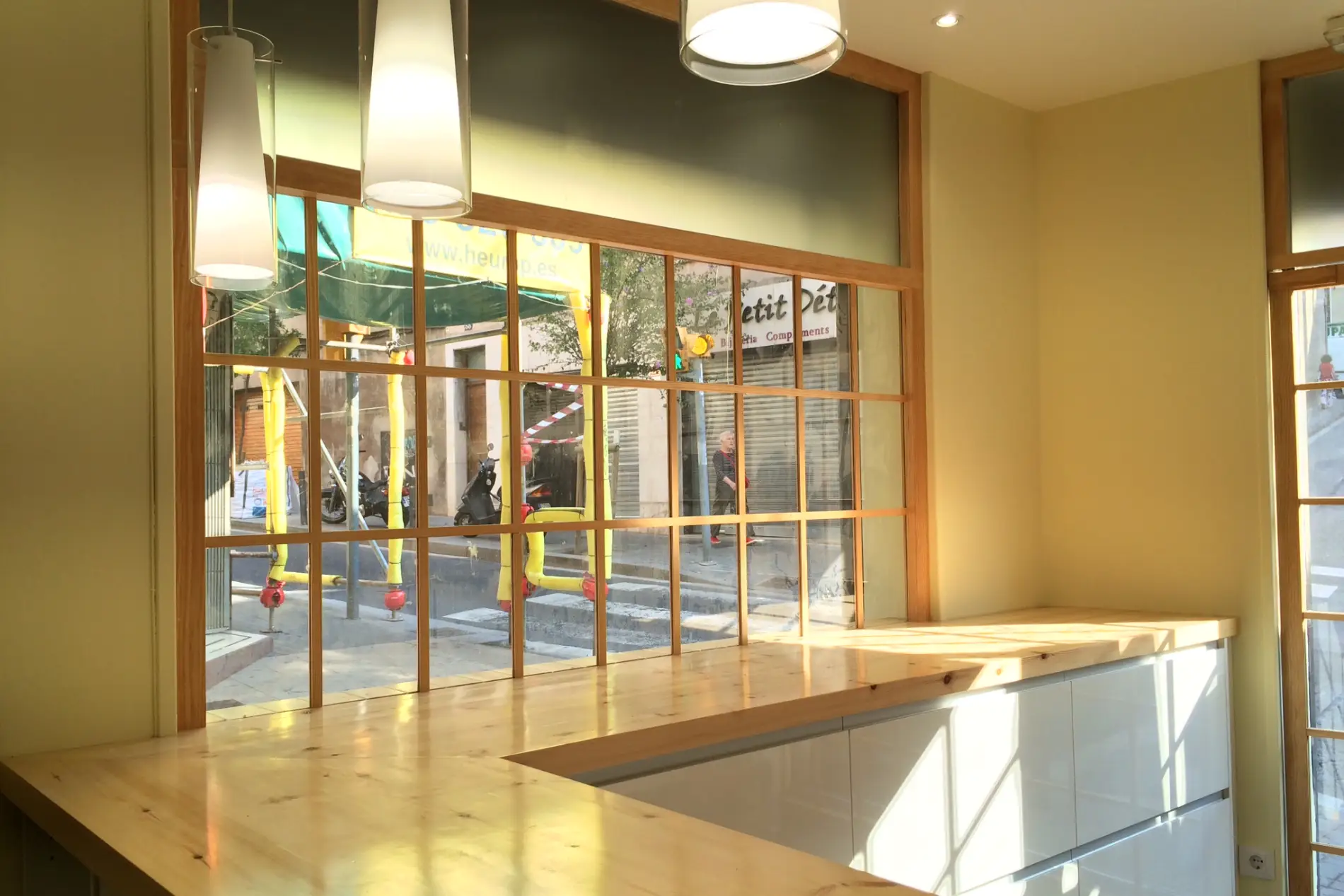
Warm lighting, the utilization of natural light, and cross-ventilation complete a design focused on daily well-being. Every decision was made with the intention of creating a healthy, durable, and people- and environment-friendly space.
Can bioconstruction be applied to small commercial spaces?
Yes. Even if the space is small, every decision matters: from materials, furniture, and ventilation to the reuse of existing elements. Scale does not limit sustainability.
What benefits does custom-made furniture offer in bioconstruction?
It allows for the selection of woods without toxic compounds, adjusts the design to actual use, reduces waste, and promotes greater durability of the space without additional costs or overproduction.
Why is renovating a space more sustainable than building a new one?
Because it reduces the use of new resources, avoids land consumption, and maintains existing urban infrastructure, significantly reducing the project’s environmental impact.
What does this type of design contribute to the interior well-being of the space?
A healthier environment, with natural materials, good ventilation, and low toxic load, improves the experience for both those who work and those who visit the space.