Ausiàs March 16 · Sustainable Renovation of a Listed Building
Ausiàs March 16
Developer:
Individual
Location:
Ausiàs March 16
Type:
Sustainable Rehabilitation + Home Staging
Bioconstruction Applied to Heritage Restoration
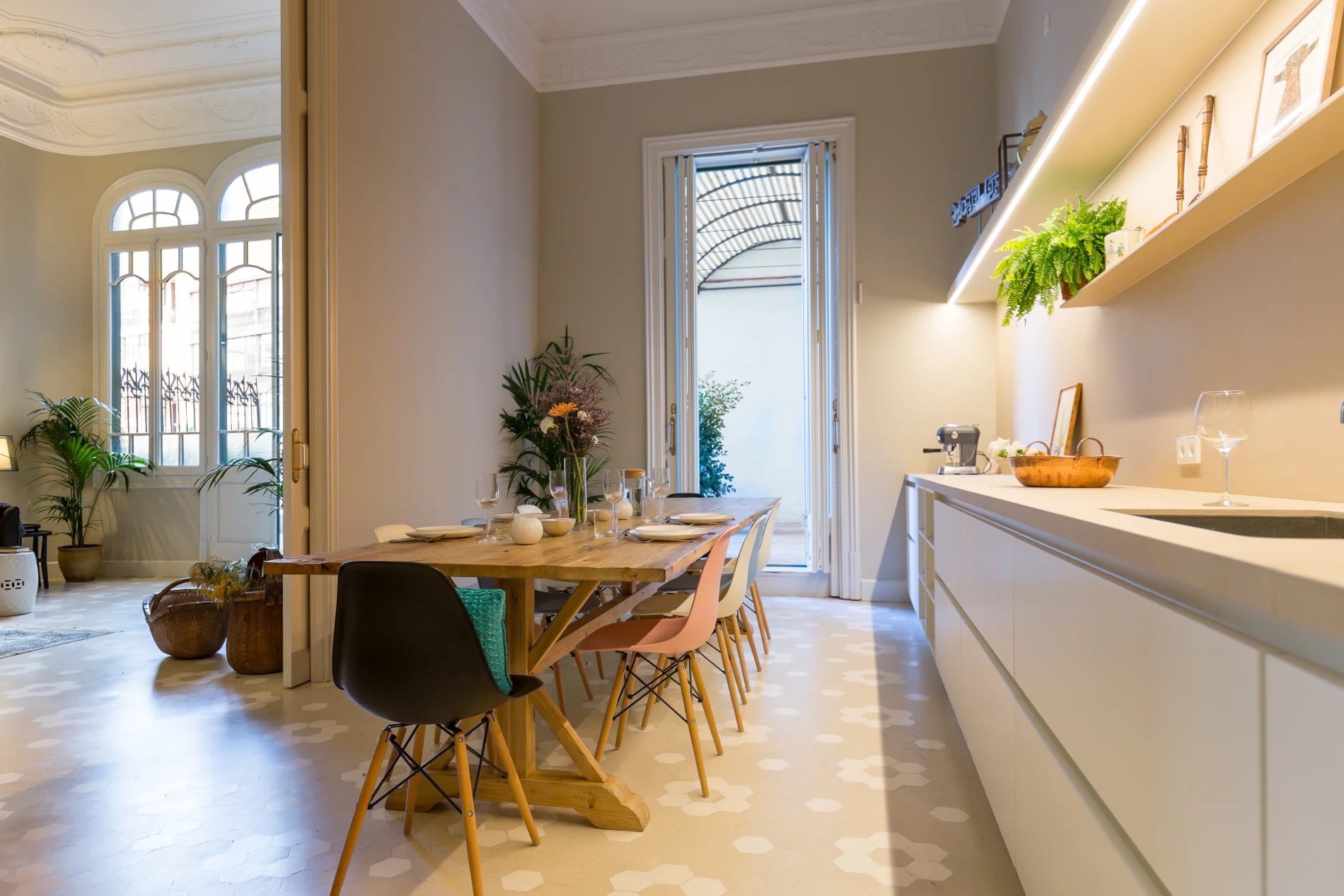
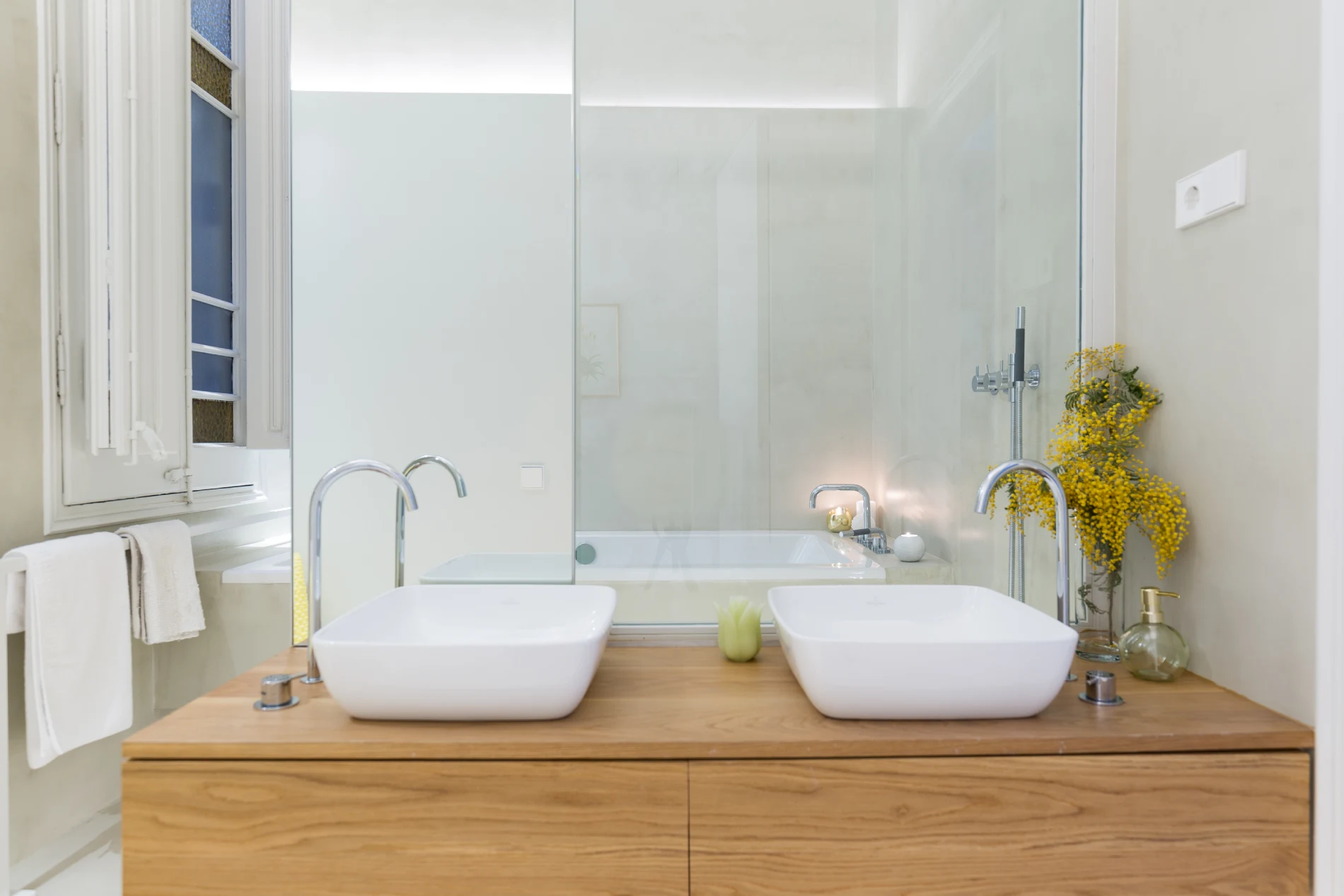
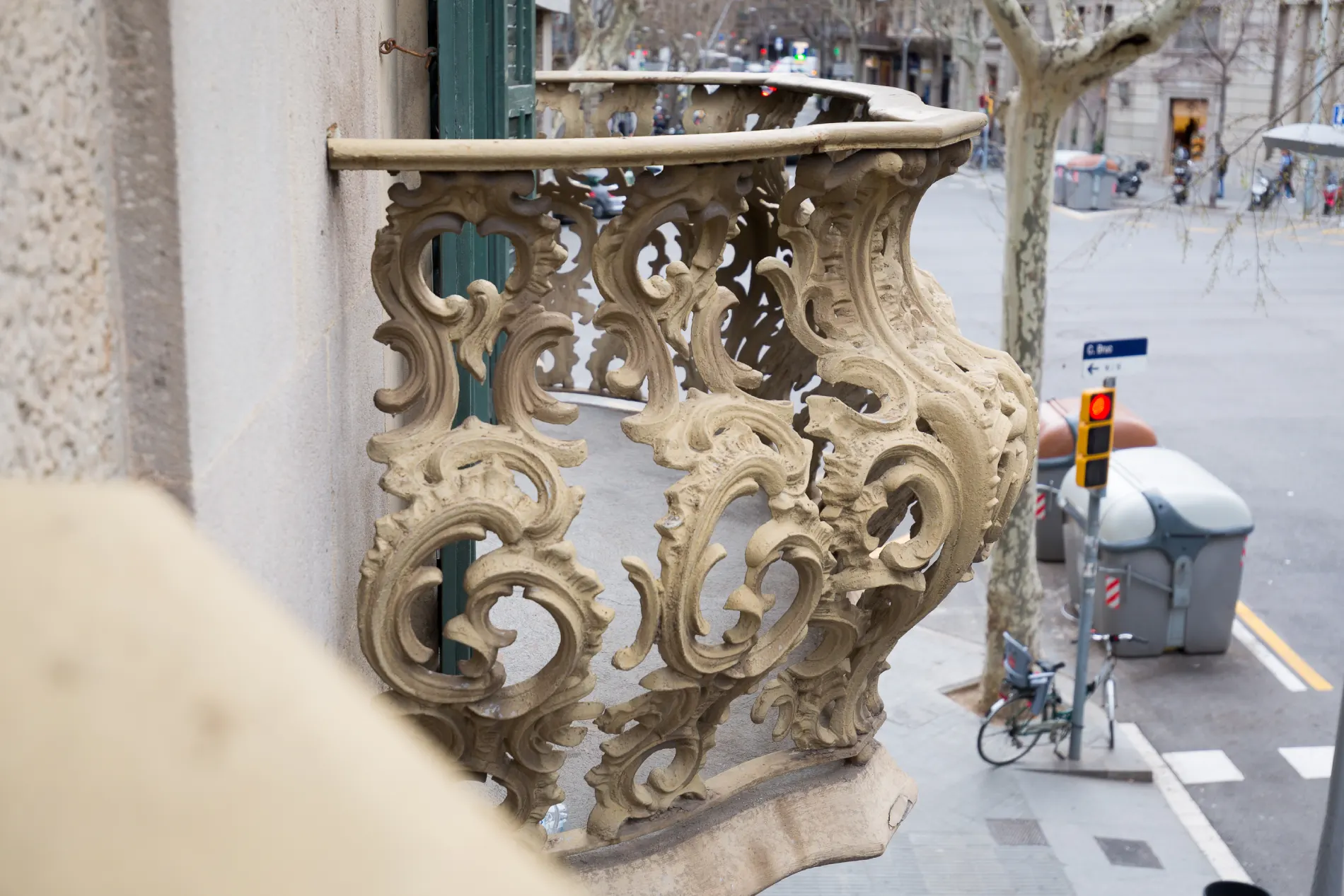
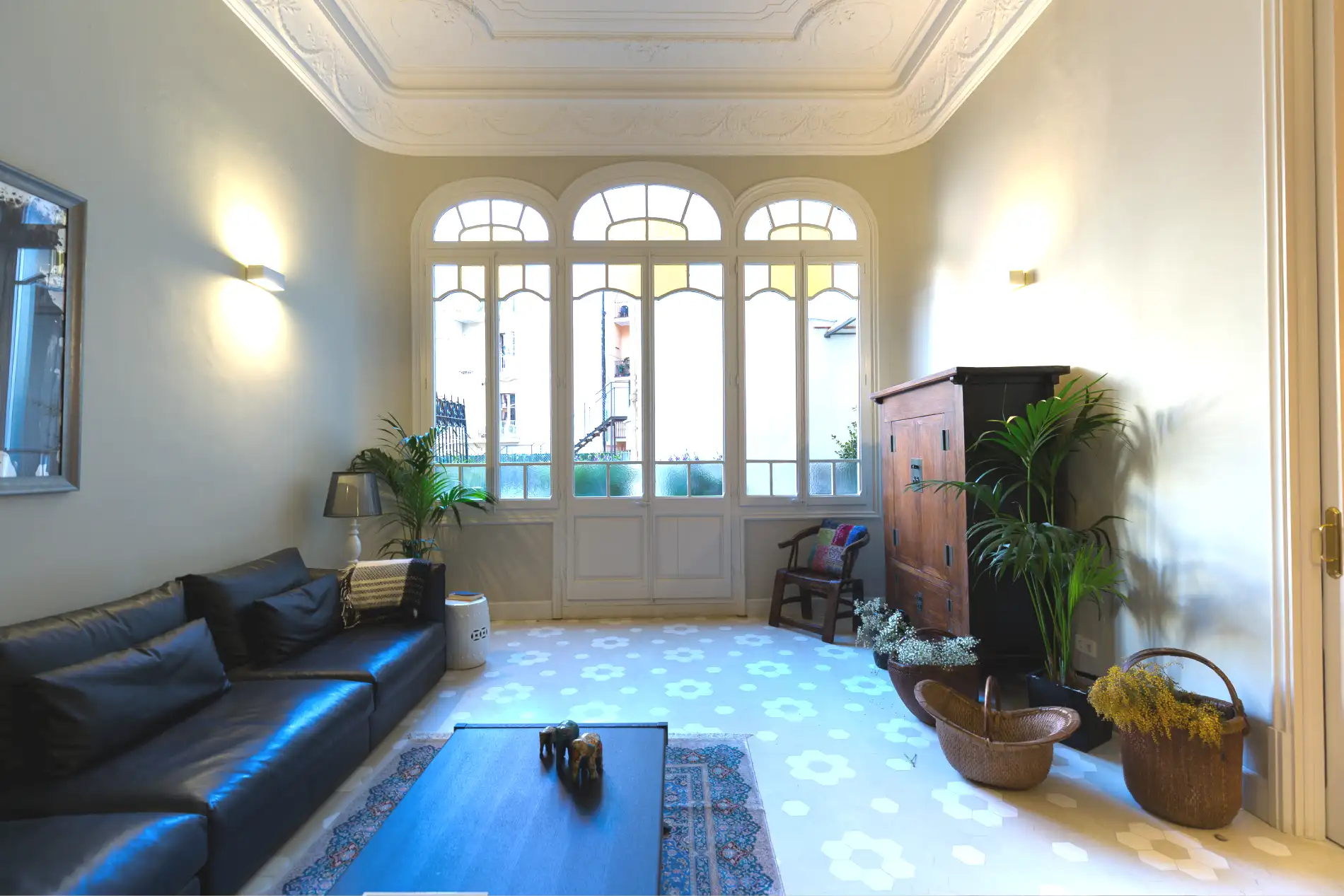
This project involved the full renovation of a home in a listed building in Barcelona’s Eixample district, protected as city heritage. The intervention was planned from the outset with criteria of architectural conservation, energy efficiency, and low environmental impact.
Restore to Live More Sustainably
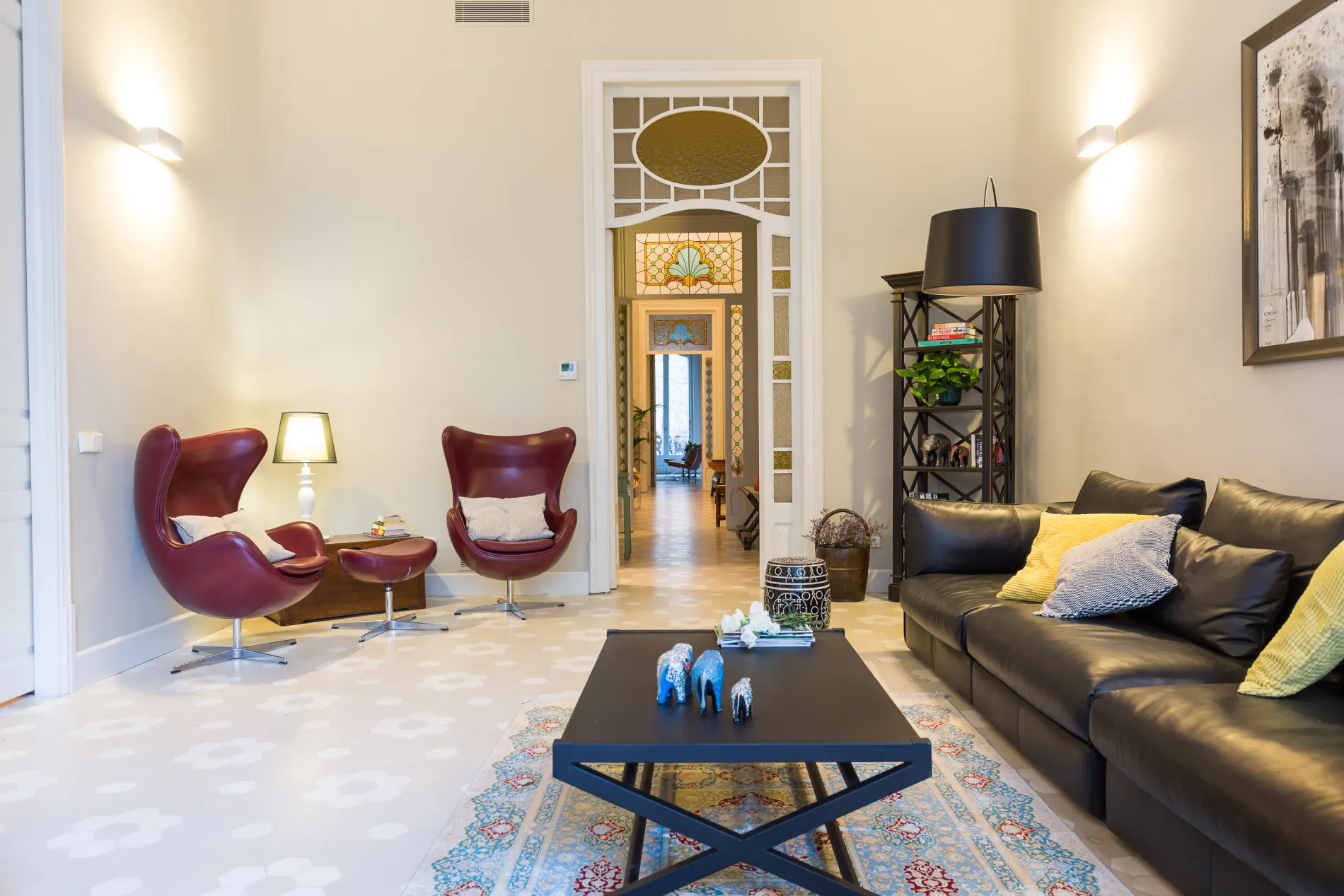
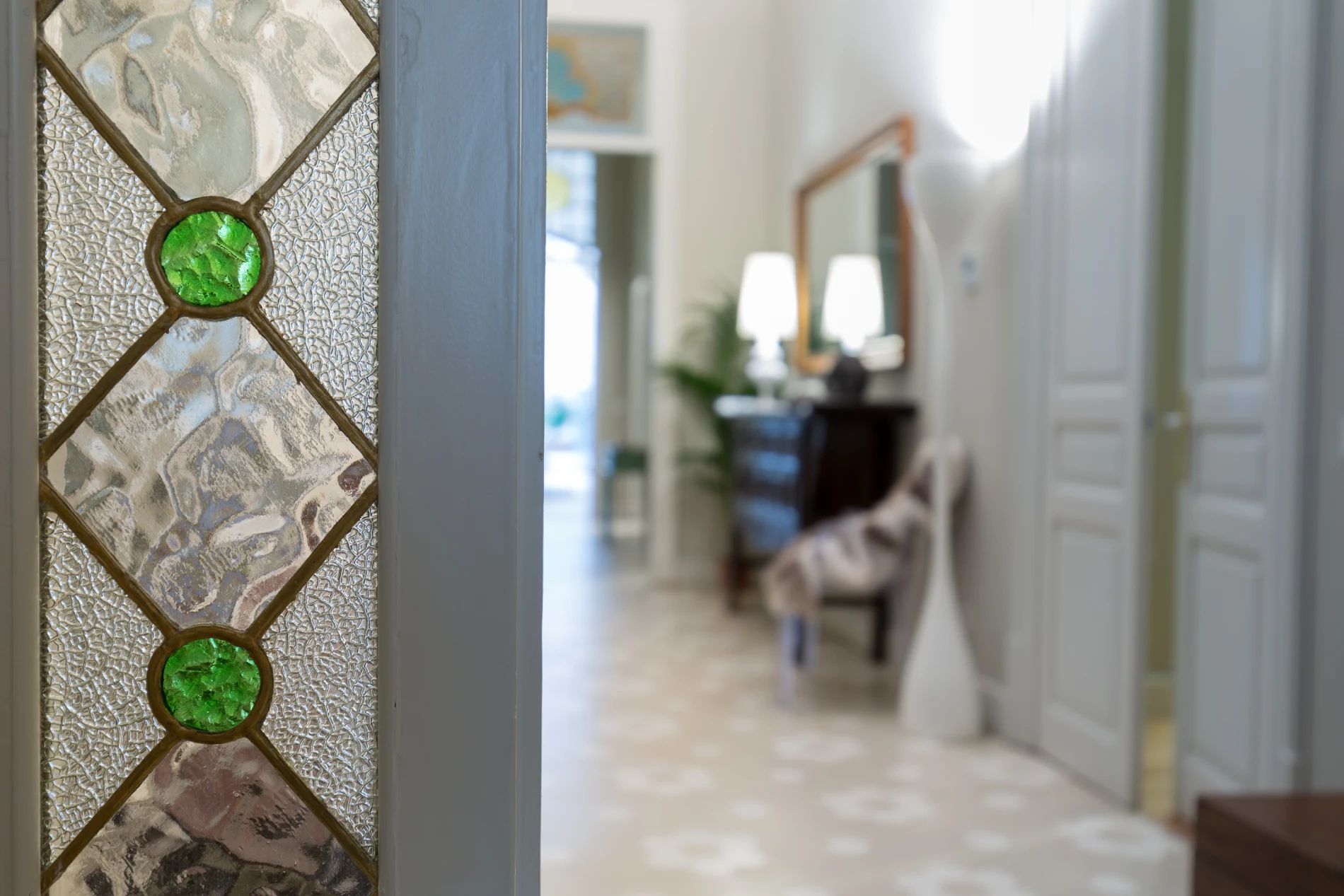
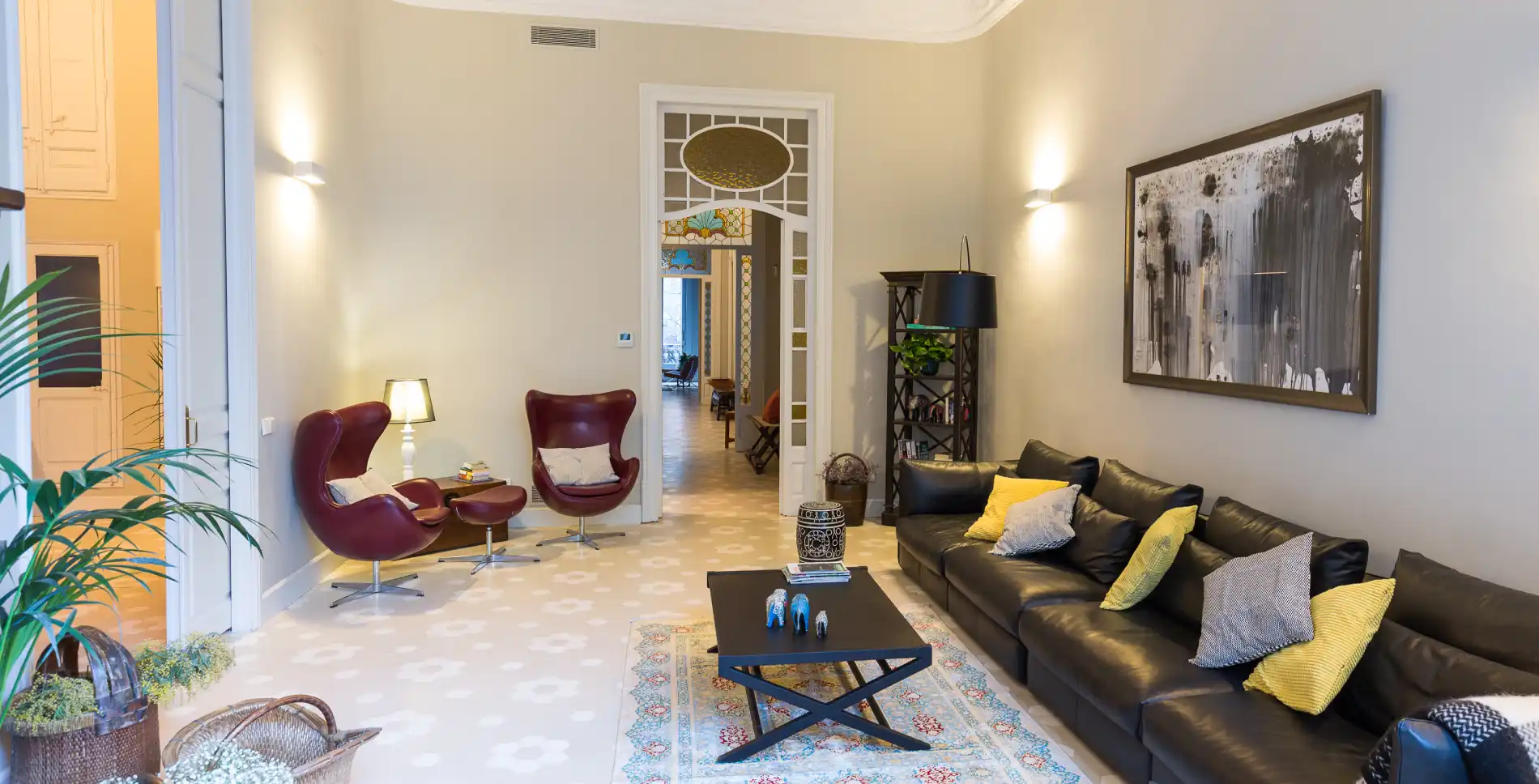
Original elements from the late 19th century were recovered and revalued, such as:
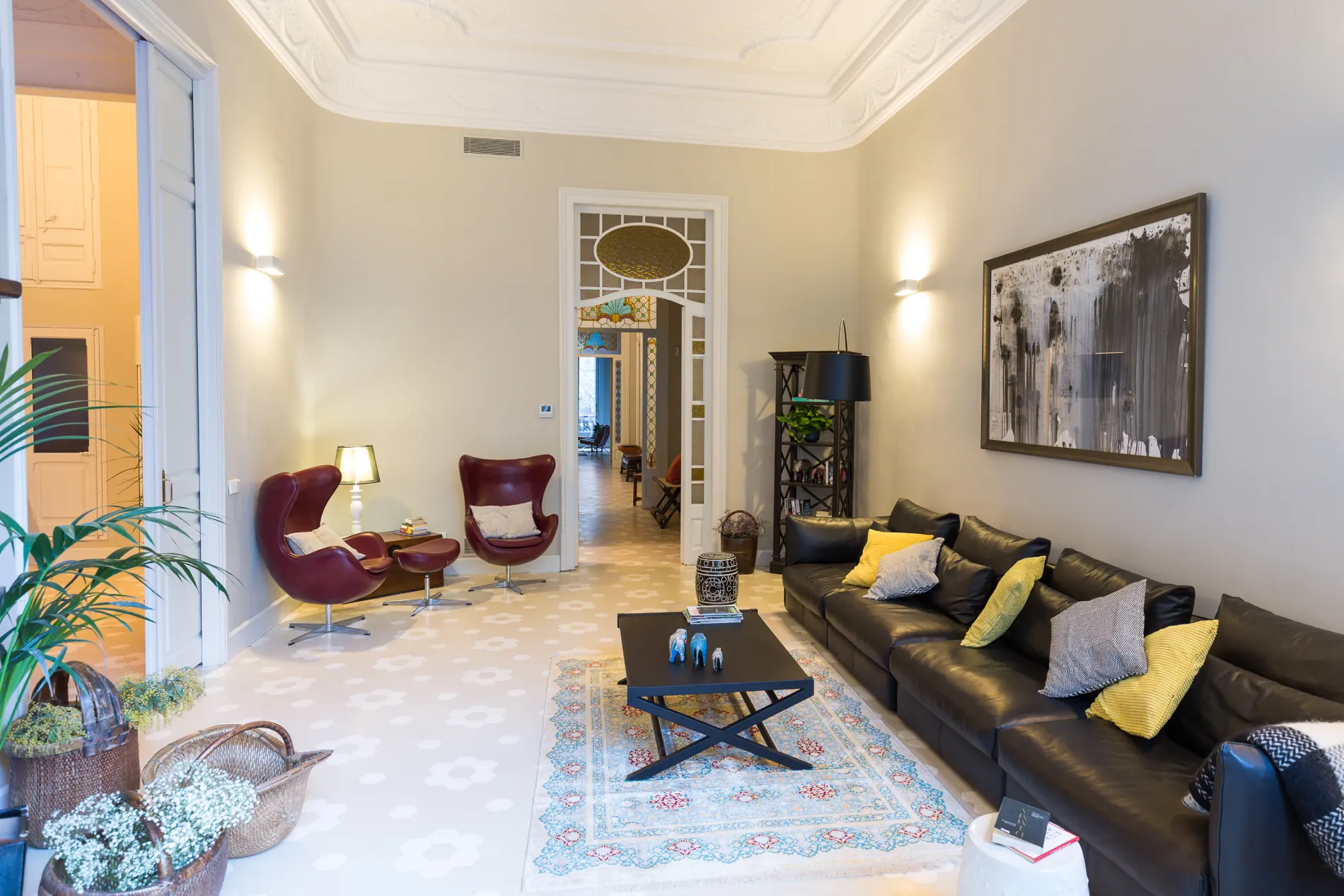
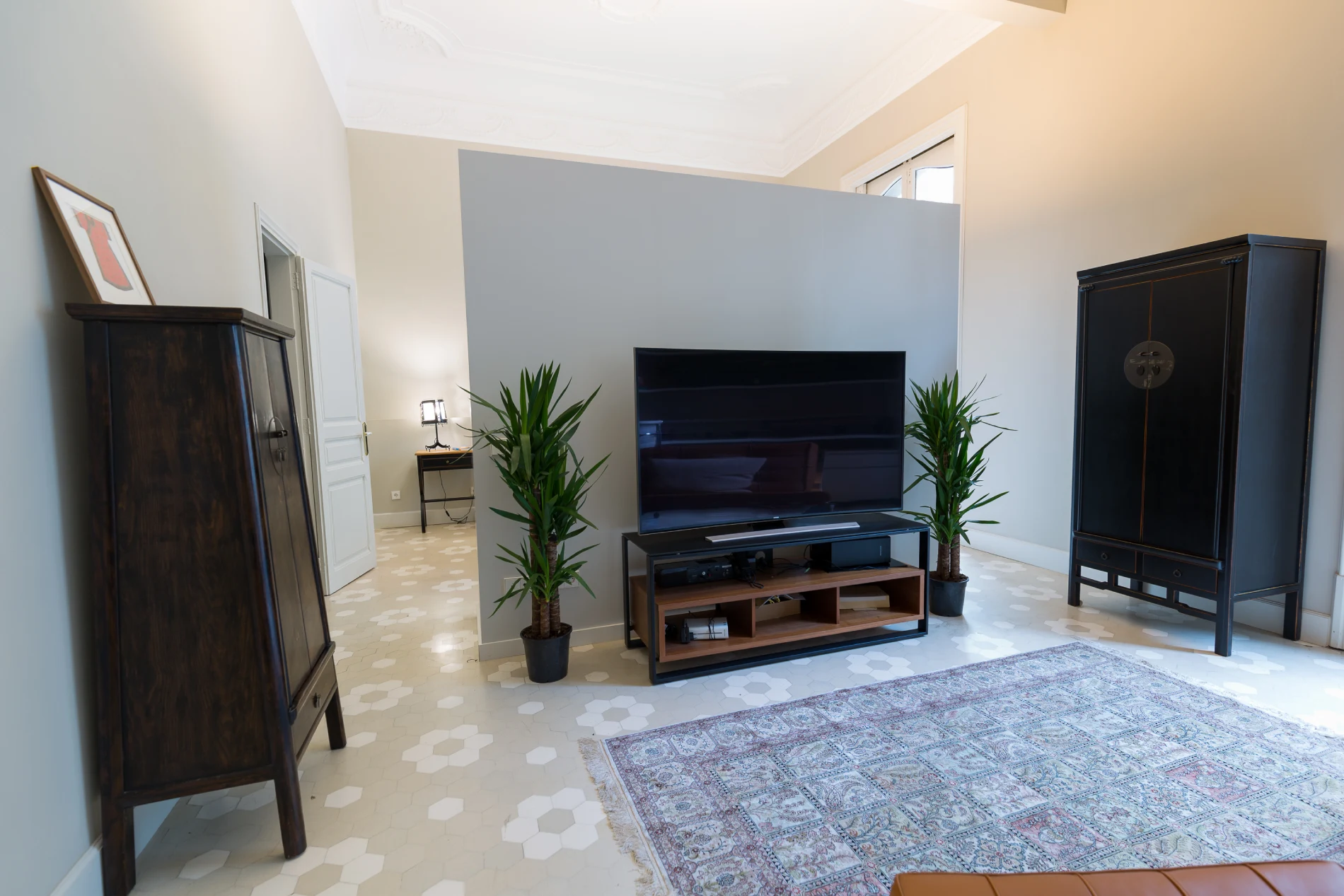
Handcrafted hydraulic tiles
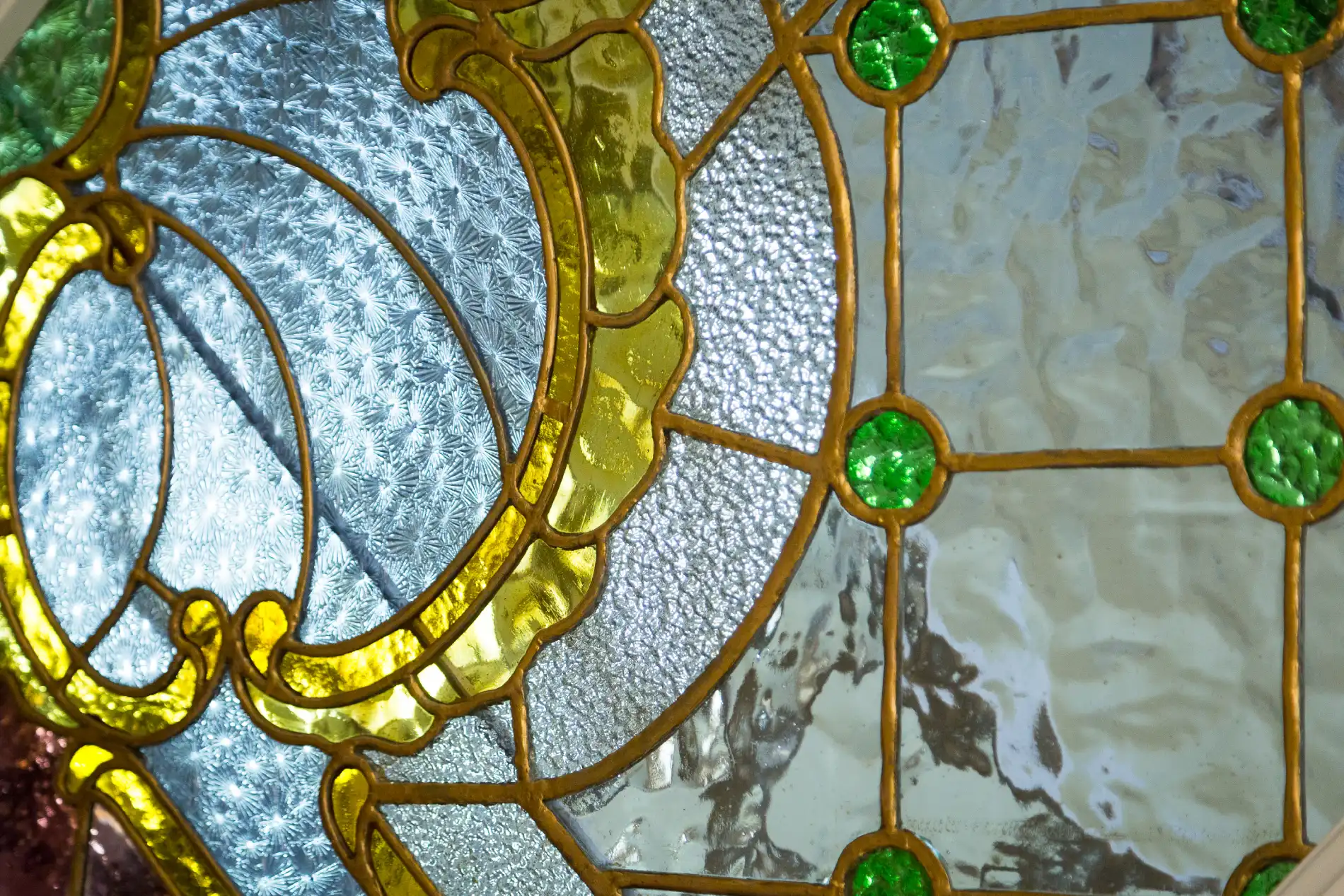
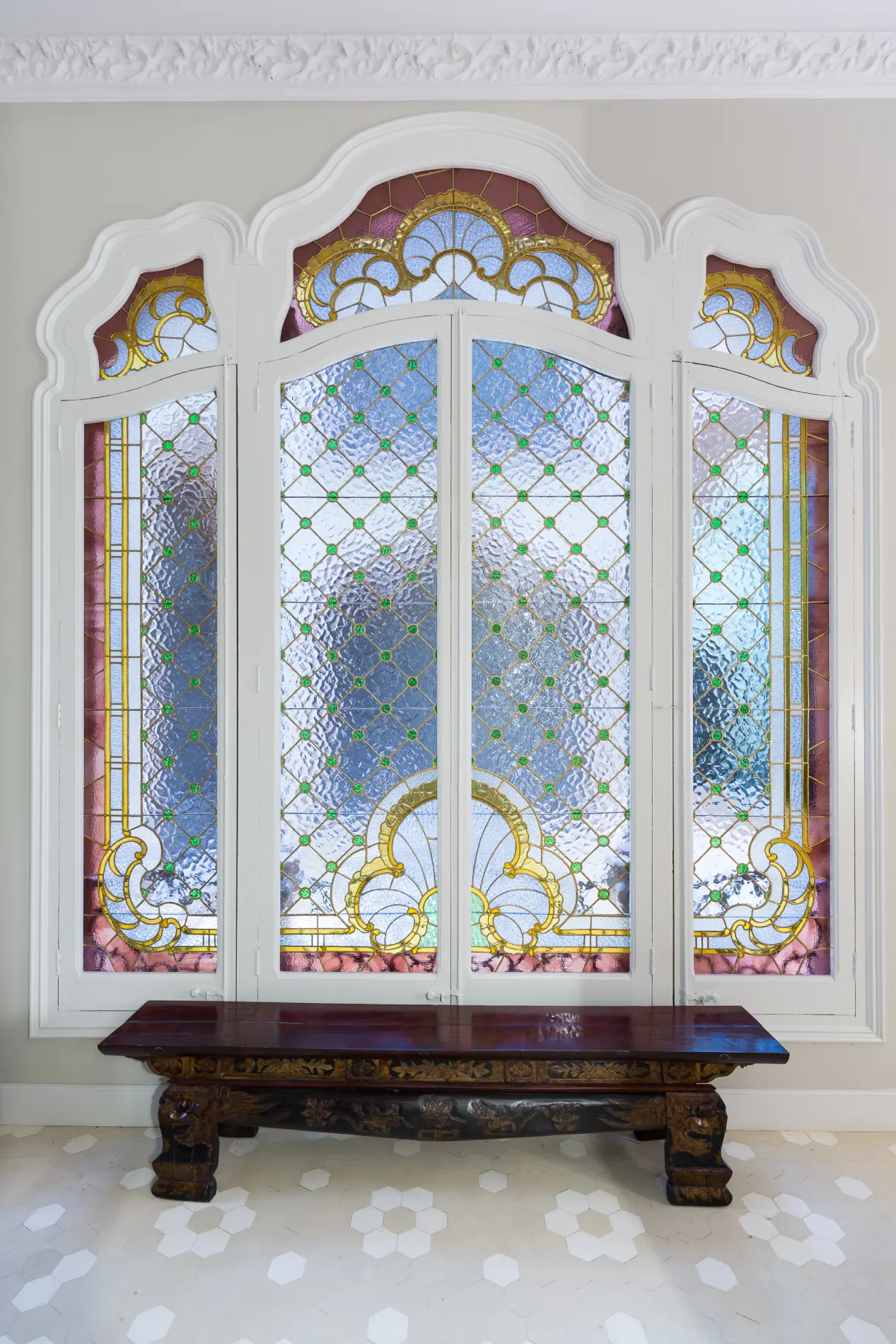
Carpentry with leaded stained-glass mosaics
Ornamental plaster moldings
These materials not only have historical and aesthetic value, but are sustainable by nature: durable, repairable, and free of toxic compounds.
Efficient Layout and Passive Comfort Improvement
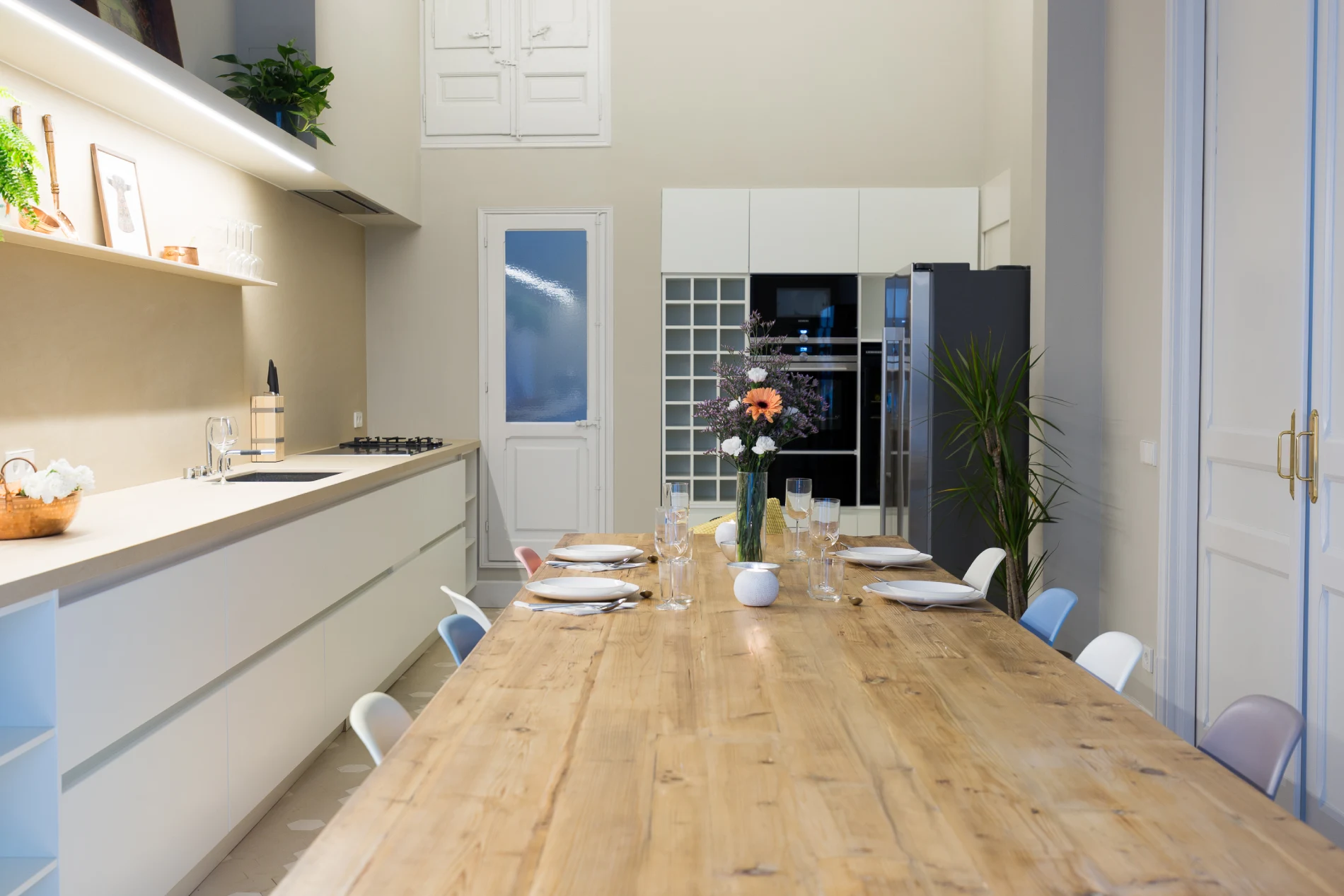
The interior redistribution allowed for expanded spaces, enhanced natural light, and facilitated cross-ventilation, reducing reliance on artificial heating, ventilation, and lighting systems.
Furthermore, work was carried out exclusively from the interior, respecting the original envelope and using materials compatible with the building’s breathability, maintaining its structural health.
Responsible Home Staging
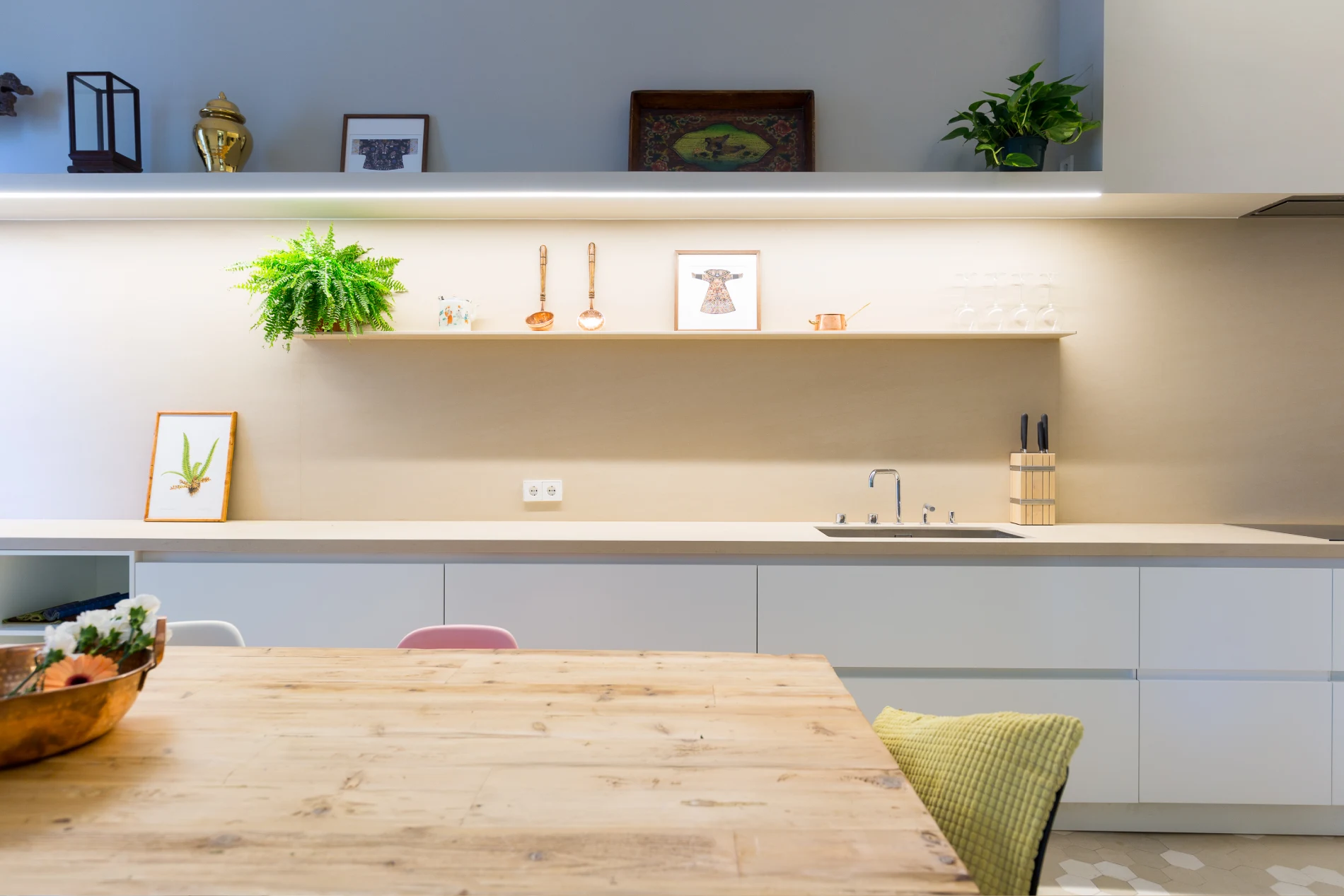
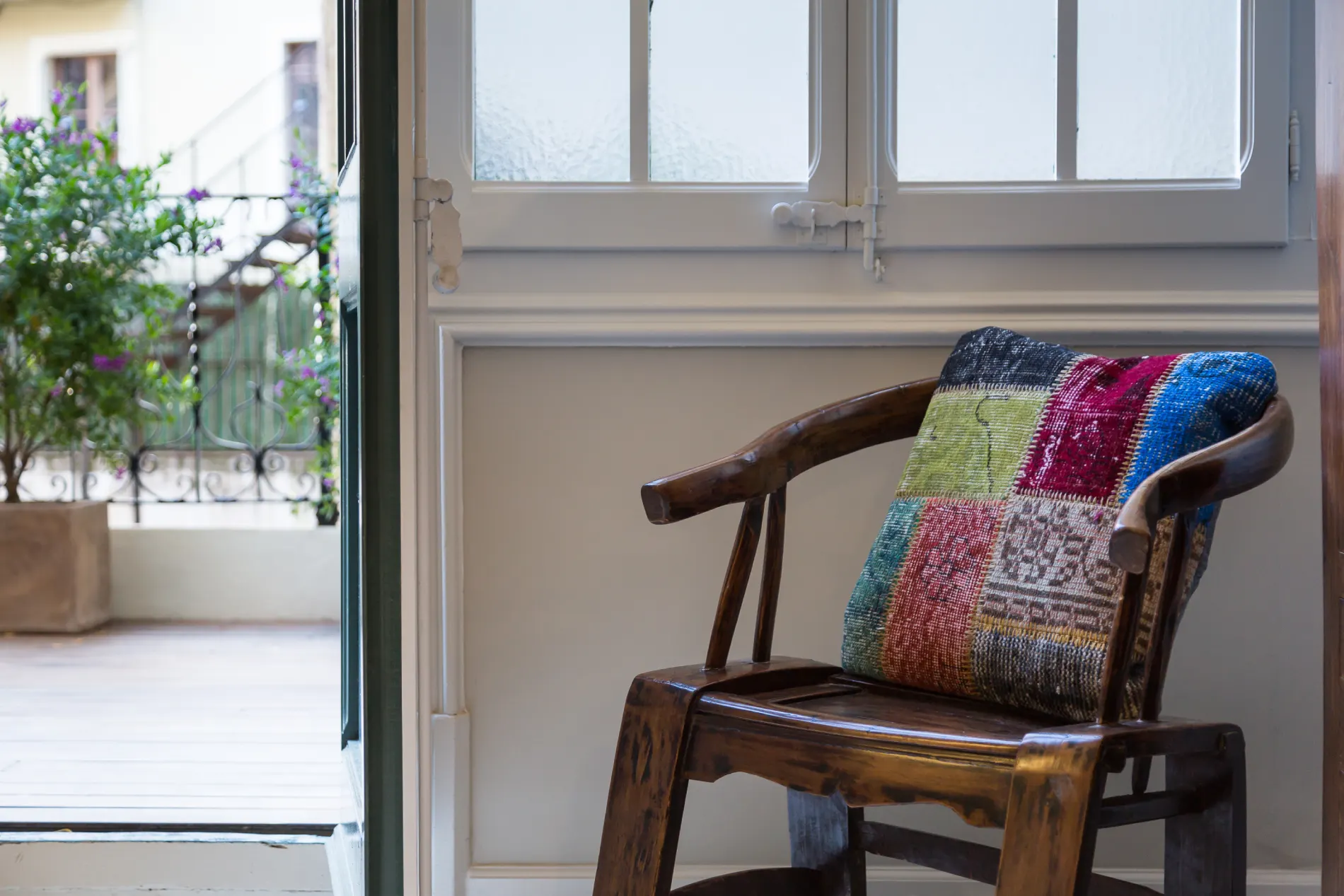
The project included a respectful home staging phase, designed to enhance spatial and material values without generating waste or over-intervention. Functional furniture, warm lighting, and natural textiles were used to reinforce the property’s original character without concealing it.
Renovations in Urban Environments with a Sustainable Vision?
If you are looking for a team that understands rehabilitation from an architectural sensibility and the principles of urban bioconstruction, we are here to help you.
Contact us and transform your space while respecting its history.
Can bioconstruction be applied to heritage buildings?
Yes. Through interior interventions, respect for original materials, and passive comfort strategies, it is possible to rehabilitate sustainably without altering the historical value of the property.
What are the benefits of restoring original elements?
Preserving existing materials avoids waste, safeguards the constructive memory, and reduces the need for new materials with a high ecological footprint.
How does a good interior redistribution improve efficiency?
It promotes the use of natural light, cross-ventilation, and the building’s thermal inertia, reducing energy consumption and increasing passive comfort.
Can home staging be sustainable?
Yes, when it is based on minimal intervention, respecting existing elements, and using durable, natural, and reusable materials.
Renovations in urban environments with a sustainable vision?
If you are looking for a team that understands rehabilitation from an architectural sensibility and the principles of urban bioconstruction, we are here to help you.
👉 Contact us and transform your space while respecting its history.