
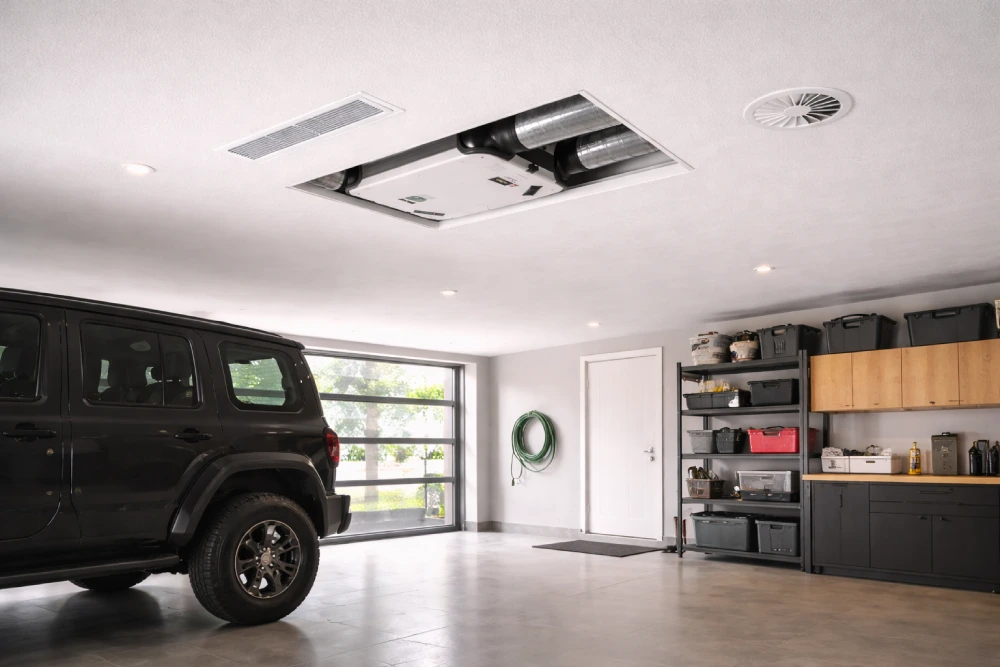
Forced ventilation systems vs. natural ventilation is one of the most common comparisons when seeking to improve the environment in a home. In many cases, the user does not start from a technical need, but from a real problem: moisture, condensation, mold, or a feeling of stale air. Both systems aim to renew indoor air and prevent these problems. Understanding forced ventilation vs. natural ventilation is key to choosing the right solution based on the type of home, the desired comfort level, and the presence of problems such as moisture or poor air quality.
What Is the Difference Between Forced Ventilation vs. Natural Ventilation
When analyzing forced ventilation vs. natural ventilation, the main difference lies in air control and its ability to solve real problems in the home.
On one hand, natural ventilation depends on external factors such as opening windows, orientation, or weather conditions. On the other hand, forced ventilation—also known as mechanical controlled ventilation (MCV)—uses mechanical systems that guarantee constant air renewal, especially in situations where there is moisture accumulation indoors.
Therefore, within forced ventilation vs. natural ventilation, while natural ventilation is variable and unpredictable, forced ventilation allows direct action on problems such as condensation, mold, or stale environments.
How Each System Works
To better understand forced ventilation (MCV) vs. natural ventilation, it is important to analyze their operation and their impact on the actual comfort of the home.
Natural Ventilation
Natural ventilation is based on air circulation through:
- Windows.
- Vents.
- Infiltrations.
This system depends on pressure and temperature differences, so its effectiveness is limited when there are persistent problems of moisture or lack of indoor air renewal.
Forced Ventilation
In contrast, forced ventilation uses mechanical equipment to extract stale air and introduce fresh air in a controlled manner.
Additionally, these mechanical ventilation systems are designed based on specific airflow rates per square meter of the room, which ensures constant air renewal. This control is essential for reducing accumulated moisture in rooms such as bathrooms or kitchens, preventing mold growth and improving indoor air quality.
Within forced ventilation vs. natural ventilation, this control capability makes the difference in modern homes.
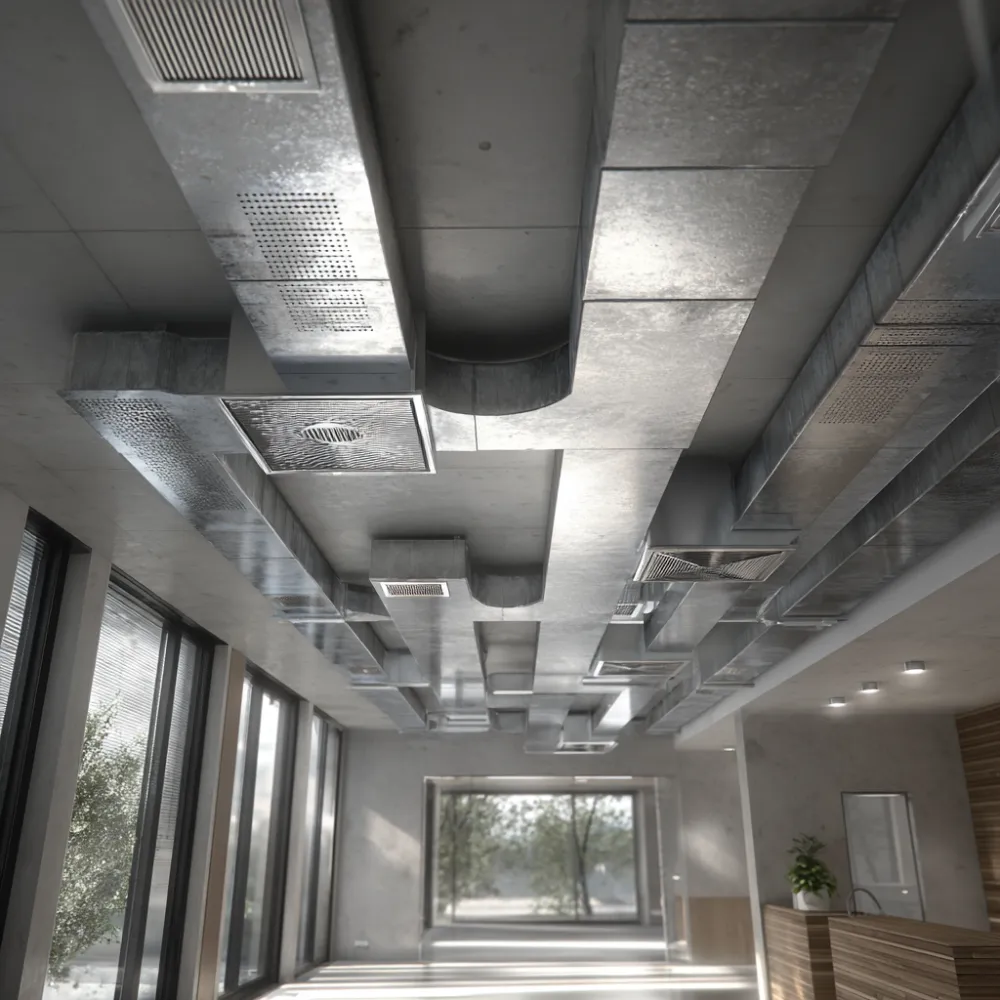
Types of Forced Ventilation in the Comparison
To delve deeper into forced ventilation vs. natural ventilation, it is important to understand that not all forced ventilation systems are the same.
Single-Flow Forced Ventilation
Single-flow forced ventilation extracts stale air and allows fresh air to enter through controlled intake openings. It is a basic solution within mechanical ventilation systems, used primarily to meet regulatory requirements.
Dual-Flow Forced Ventilation
Dual-flow forced ventilation introduces and extracts air through two independent circuits. Additionally, it incorporates heat recovery, which improves energy efficiency and indoor comfort.
This type of advanced MCV ventilation allows control of both temperature and moisture, making it one of the most comprehensive solutions within forced ventilation vs. natural ventilation.
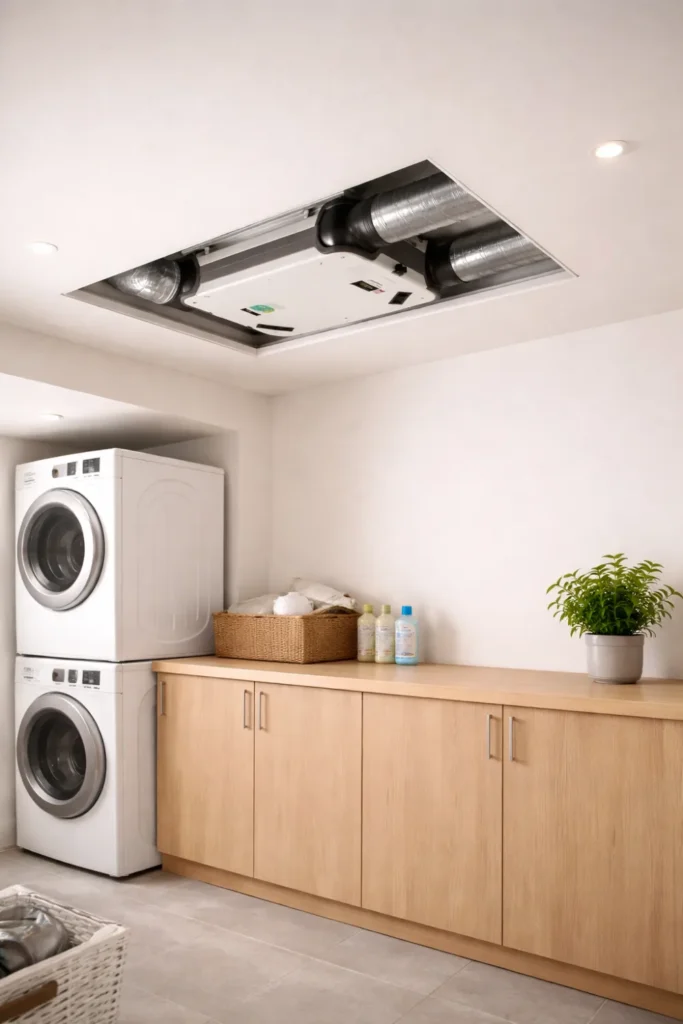
Forced Ventilation vs. Natural Ventilation: Advantages and Disadvantages
Analyzing forced ventilation vs. natural ventilation involves evaluating their benefits in relation to the most common problems in a home.
Natural Ventilation
Advantages:
- Does not require complex installation.
- Low initial cost.
- Zero energy consumption.
Disadvantages:
- Lack of airflow control.
- Dependence on weather.
- Irregular air renewal.
- Does not solve moisture problems consistently.
Forced Ventilation
Advantages:
- Continuous air control.
- Improvement of indoor air quality.
- Real moisture control and condensation prevention.
- Reduced risk of mold.
- Greater energy efficiency in mechanical ventilation systems.
Disadvantages:
- Requires installation.
- Higher initial investment.
- Requires maintenance.
Which System Is More Efficient
One of the key points in the comparison of mechanical controlled ventilation vs. natural ventilation is efficiency, both energy and functional.
Natural ventilation causes significant energy losses and does not guarantee constant air renewal, which promotes moisture accumulation under certain conditions.
In contrast, forced ventilation, especially in dual-flow forced ventilation systems, maintains indoor temperature and controls moisture. These systems can recover between 70% and 90% of the energy from extracted air.
Therefore, in forced ventilation vs. natural ventilation, the efficiency of mechanical ventilation is clearly superior in the medium term.
When to Choose Natural Ventilation
- Old, poorly sealed homes.
- Mild climates.
- Occasional use.
Within forced ventilation vs. natural ventilation, natural ventilation may be sufficient in:
However, its effectiveness is limited when problems such as persistent moisture, condensation, or poor indoor air quality appear.
When to Choose Forced Ventilation
Forced ventilation is the most suitable option when seeking a real solution to problems such as:
- Moisture on walls or ceilings.
- Condensation on windows.
- Mold growth.
- Persistent odors.
- Stuffy atmosphere.
Additionally, it is especially recommended in:
- New construction homes.
- Comprehensive renovations.
- High-occupancy spaces.
In these cases, forced ventilation not only renews the air but also directly addresses the causes of these problems. Therefore, in forced ventilation vs. natural ventilation, the choice usually leans toward mechanical systems.
Regulations: Why It Is Increasingly Necessary
When analyzing forced ventilation vs. natural ventilation, it is also important to consider regulations.
The Technical Building Code (CTE HS3) requires ensuring adequate ventilation in homes, which means meeting minimum air renewal flow rates. Natural ventilation cannot always guarantee these values.
For this reason, within forced ventilation vs. natural ventilation, mechanical controlled ventilation is positioned as the most reliable solution to comply with regulations and avoid problems arising from poor ventilation.
Authorship and Technical Approach
This article has been developed with a technical approach based on professional experience. It is written by Pablo Santillana, technical architect and head of Ecohabitats Arquitectura y Construcción S.L., specialized in ventilation solutions and energy efficiency in housing.
Frequently Asked Questions About Forced Ventilation vs. Natural Ventilation
Which Is Better, Forced Ventilation vs. Natural Ventilation?
Within forced ventilation vs. natural ventilation, the choice depends on the type of home. However, forced ventilation offers much greater air control and allows solving problems such as moisture, mold, or poor indoor air quality.
Does Natural Ventilation Eliminate Moisture?
Not consistently. In forced ventilation vs. natural ventilation, natural ventilation can help occasionally, but it does not guarantee moisture elimination in modern homes.
Does forced ventilation improve indoor air quality?
Yes, mechanical controlled ventilation systems allow continuous air renewal, eliminate pollutants, and control moisture, significantly improving the indoor environment.
Is forced ventilation mandatory in new homes?
In many cases yes, as regulations require ensuring adequate ventilation. Within forced ventilation vs. natural ventilation, mechanical ventilation is the most effective solution.
Can Both Systems Be Combined?
Yes, although in practice, when there are moisture or poor ventilation problems, forced ventilation systems are the ones that offer a real and constant solution.
Conclusion on the Comparison Between Forced Ventilation vs. Natural Ventilation
Forced ventilation vs. natural ventilation is not just a technical comparison, but a key decision to improve the comfort and healthiness of a home. While natural ventilation depends on external factors, forced ventilation allows real control of indoor air.
Additionally, it is not only about renewing the air, but about solving common problems such as moisture, condensation, mold, or poor indoor air quality. Therefore, understanding forced ventilation vs. natural ventilation allows choosing the best solution based on the real needs of the home and the well-being of its occupants.


