
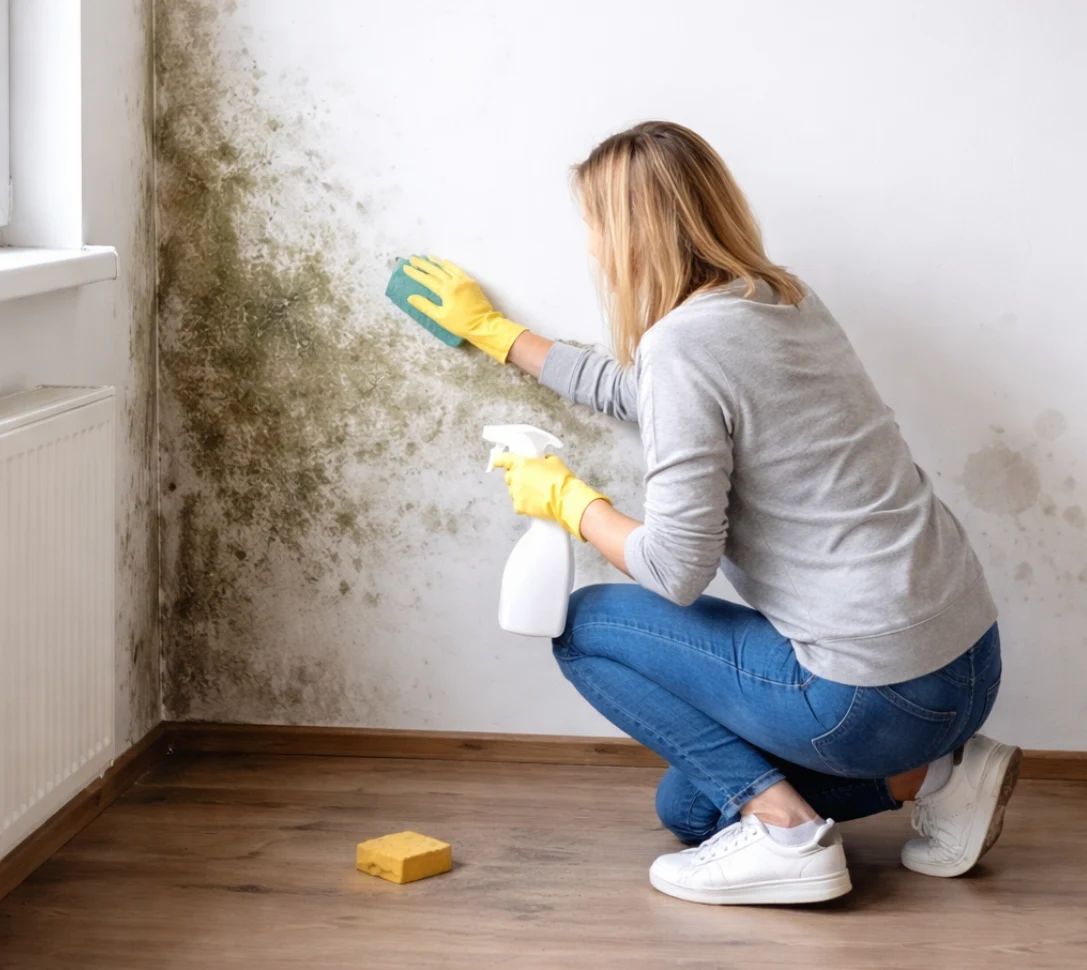
Humidity and poor ventilation problems at home are one of the most common situations in dwellings, especially in urban environments. In most cases, the user does not start from a technical need, but from a real problem: mold on walls, musty smell, condensation on windows, or a stuffy atmosphere. Although renewing indoor air is important, the real goal is to prevent these pathologies. Therefore, understanding humidity and poor ventilation problems at home is key to improving comfort, indoor air quality, and the durability of the dwelling.
Why Do Humidity Problems Appear at Home?
Humidity and poor ventilation problems at home usually have a common origin: the lack of continuous air renewal.
Today, homes are more airtight. This improves energy efficiency, but also makes it difficult to evacuate the water vapor we generate daily:
- Showers.
- Cooking.
- Breathing.
- Drying clothes.
Without a system that renews the air constantly, this humidity accumulates in the environment. As a consequence, condensation appears and, over time, mold.
Furthermore, in many older homes, the building systems were not designed to properly manage ventilation, which aggravates humidity and poor ventilation problems at home.
Most Common Types of Humidity
To understand humidity and poor ventilation problems at home, it is important to differentiate the types of humidity.
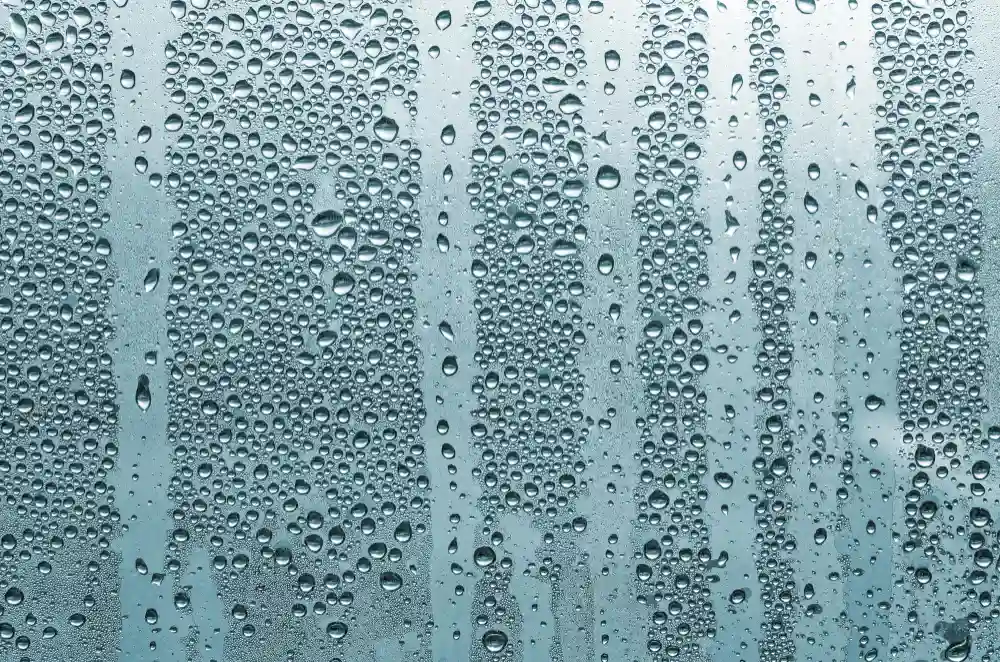
Condensation Humidity
This is the most common. It occurs when water vapor from the air comes into contact with cold surfaces, such as windows or walls.
It is directly related to poor ventilation.
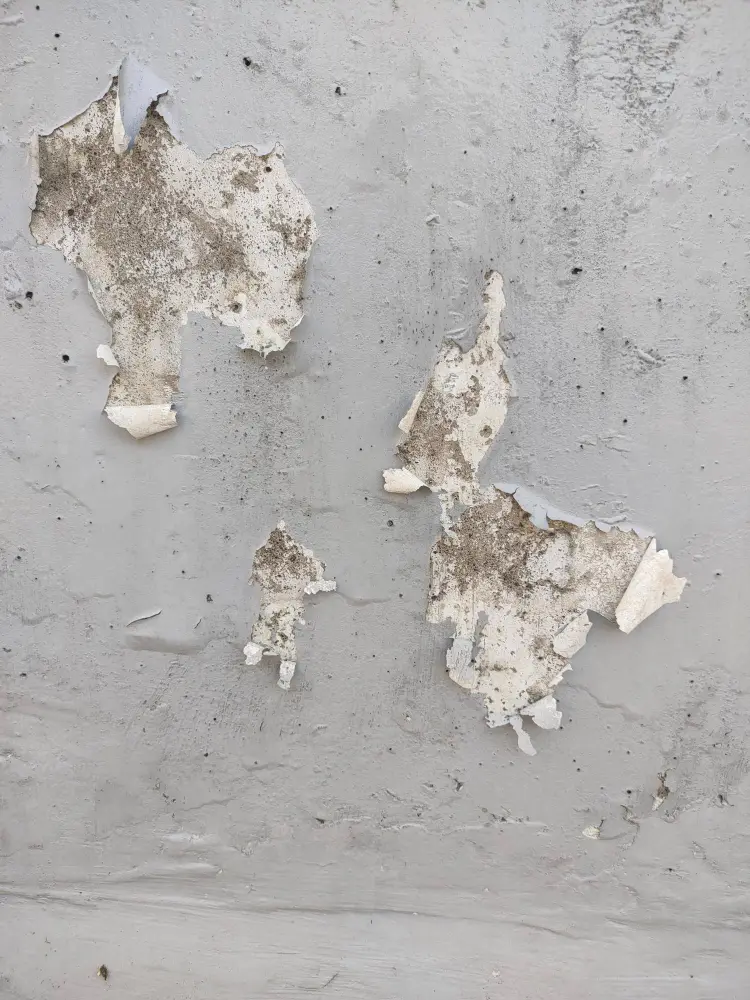
Infiltration Humidity
It comes from outside, normally through roofs or facades. It can worsen if there is no proper indoor air renewal.
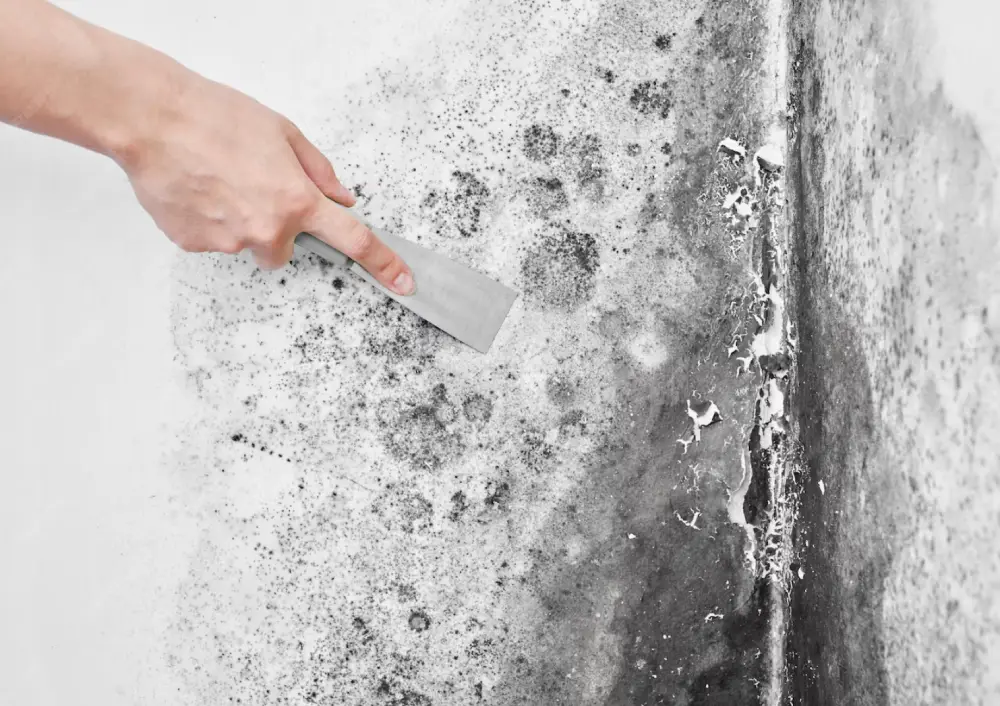
Structural Humidity
It is less common in typical homes, but more complex to solve. It requires building intervention.
Signs of Poor Ventilation in a Home
Humidity and poor ventilation problems at home are not always evident at first. However, there are clear signs that indicate that the air is not being renewed properly.
Some of the most common are:
- Mold on walls or ceilings.
- Constantly fogged windows.
- Persistent musty smell.
- Stuffy atmosphere.
- Deterioration of paint or finishes.
These signs indicate that humidity is not being evacuated properly, confirming the presence of humidity and poor ventilation problems at home.
Real Case: Homes in Barcelona and Ventilation Problems
In cities like Barcelona, especially in buildings constructed between the 1960s and 1970s, it is common to find building solutions that today generate humidity and poor ventilation problems at home.
In many penthouses, a false ceiling was built creating an air chamber between the floor slab and the roof (terrace), with the aim of improving thermal insulation.
However, in numerous cases this chamber was not properly ventilated. That is, no vents or systems were incorporated to allow air circulation.
As a result:
- The air became stagnant.
- Humidity accumulated.
- Condensation was generated.
Furthermore, humidity from the terrace could be transmitted to this chamber, aggravating the problem.
This type of building solution explains why humidity and poor ventilation problems at home continue to appear in many current dwellings.
How Poor Ventilation Affects Health and the Home
Humidity and poor ventilation problems at home affect both the dwelling and people.
On one hand, humidity promotes the appearance of mold, which can cause respiratory problems or allergies.
On the other hand, the lack of air renewal increases the concentration of CO₂ and other pollutants, reducing indoor air quality.
Furthermore, at a building level:
- It deteriorates materials.
- It reduces the durability of the dwelling.
- It generates pathologies in finishes.
How to Solve Humidity Problems at Home
To resolve humidity and poor ventilation problems at home, it is necessary to act on the cause: the lack of continuous ventilation.
Opening windows can help occasionally. However, it does not guarantee constant air renewal or eliminate accumulated humidity.
In this context, solutions based on mechanical ventilation allow:
- Continuous air renewal.
- Humidity control.
- Improved indoor air quality.
In this way, action is taken directly on the origin of humidity and poor ventilation problems at home.
When You Need a Real Ventilation Solution
Not all cases require the same solution. However, there are situations where humidity and poor ventilation problems at home clearly indicate that action is necessary.
For example:
- Persistent humidity.
- Daily condensation on windows.
- Recurring mold.
- Constant musty smell.
In these cases, occasional ventilation is not enough. A system that guarantees constant air renewal is necessary.
This is where mechanical ventilation systems come into play, also known as controlled mechanical ventilation (CMV). These systems allow continuous air renewal, humidity control, and stable improvement of indoor air quality.
Furthermore, solutions such as single-flow mechanical ventilation or double-flow mechanical ventilation allow adaptation to different types of homes, acting directly on the origin of humidity and poor ventilation problems at home.
Authorship and Technical Approach
This article has been developed with a technical approach based on professional experience. It is written by Pablo Santillana, technical architect and head of Ecohabitats Arquitectura y Construcción S.L., specialized in ventilation solutions and energy efficiency in housing.
Frequently Asked Questions About Humidity and Poor Ventilation Problems at Home
Why Do I Have Humidity at Home Even Though I Ventilate?
Because opening windows only generates occasional ventilation. Humidity and poor ventilation problems at home appear when there is no constant air renewal, which causes humidity accumulation and condensation on cold surfaces.
Is Mold Always Related to Poor Ventilation?
In most cases, yes. Mold appears when there is persistent humidity, normally caused by insufficient ventilation. Therefore, humidity and poor ventilation problems at home are directly related to its appearance.
Does Opening Windows Solve the Humidity Problem?
Not definitively. Occasional ventilation can reduce humidity, but does not eliminate the problem if there is no continuous air renewal. This is common in humidity and poor ventilation problems at home.
Which Rooms Are Most Problematic?
Bathrooms, kitchens, and bedrooms, as they generate more humidity in daily use. Without adequate ventilation, these rooms concentrate humidity and poor ventilation problems at home.
When Should I Worry About Humidity at Home?
When humidity is persistent, mold appears, there is frequent condensation, or there is a musty smell. These signs indicate humidity and poor ventilation problems at home that require a stable solution.
Conclusion About Humidity Problems at Home
Most humidity problems in homes are not due to infiltration, but to insufficient ventilation.
Humidity and poor ventilation problems at home should not be understood as an occasional problem, but as a direct consequence of a lack of continuous air renewal.
Furthermore, it is not only about ventilating, but about preventing pathologies such as condensation, mold, or poor indoor air quality. Therefore, understanding humidity and poor ventilation problems at home is the first step to be able to solve them definitively and consider CMV mechanical ventilation systems.


