Masía Manresa · Bioconstruction from heritage: conserve, restore, and inhabit with purpose
Manresa Farmhouse
Developer:
Private client
Location:
Manresa, Barcelona
Type:
Comprehensive Renovation
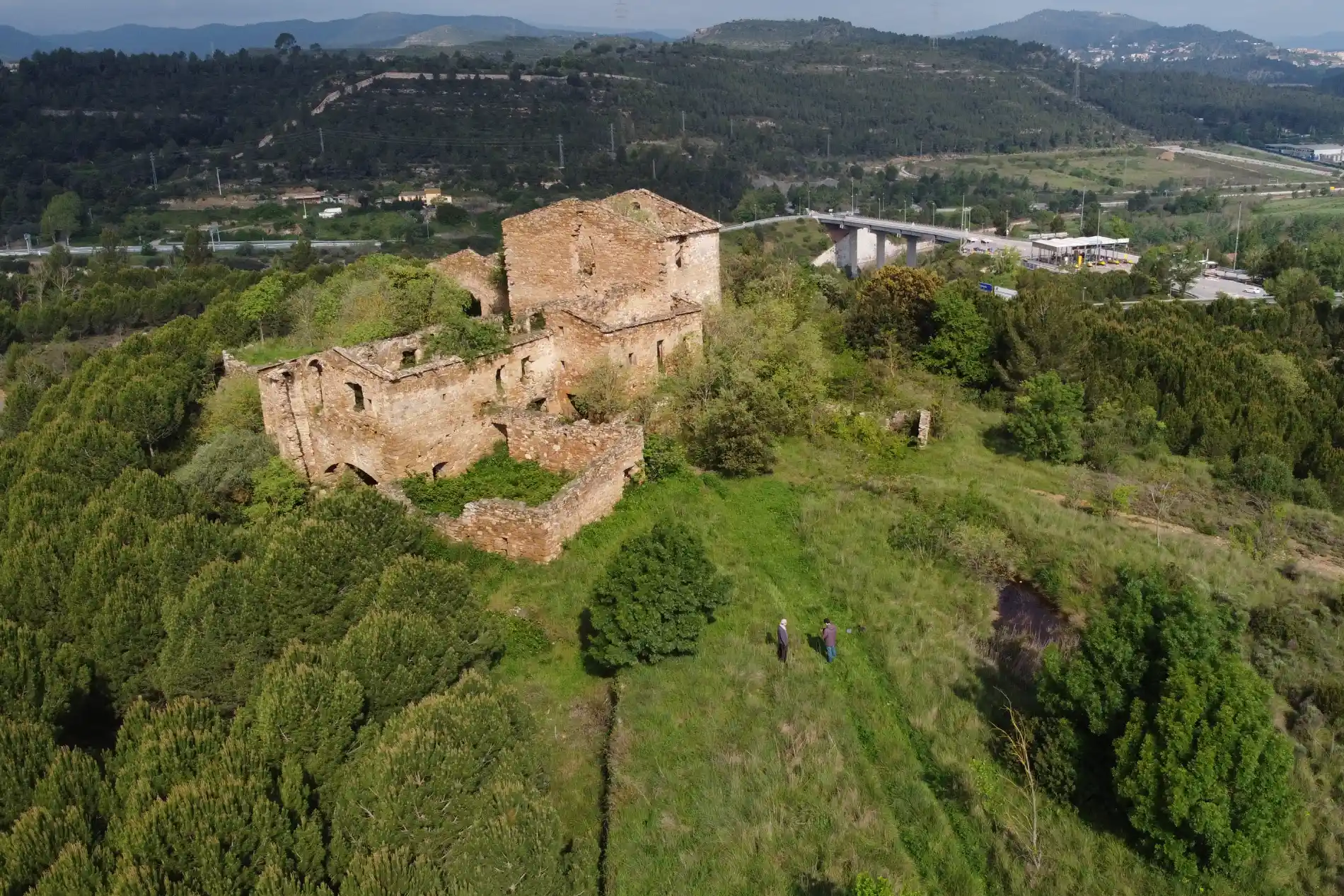
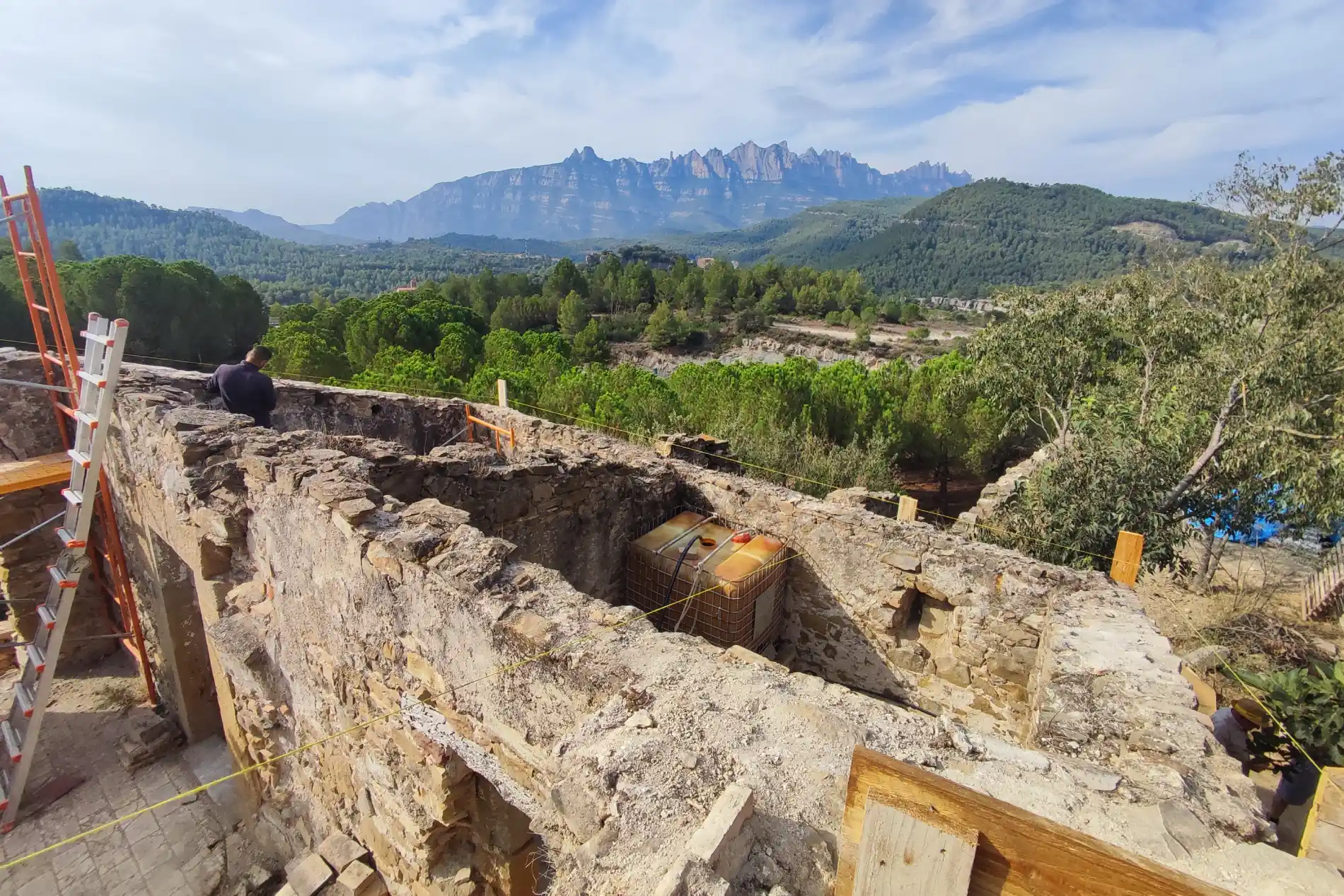
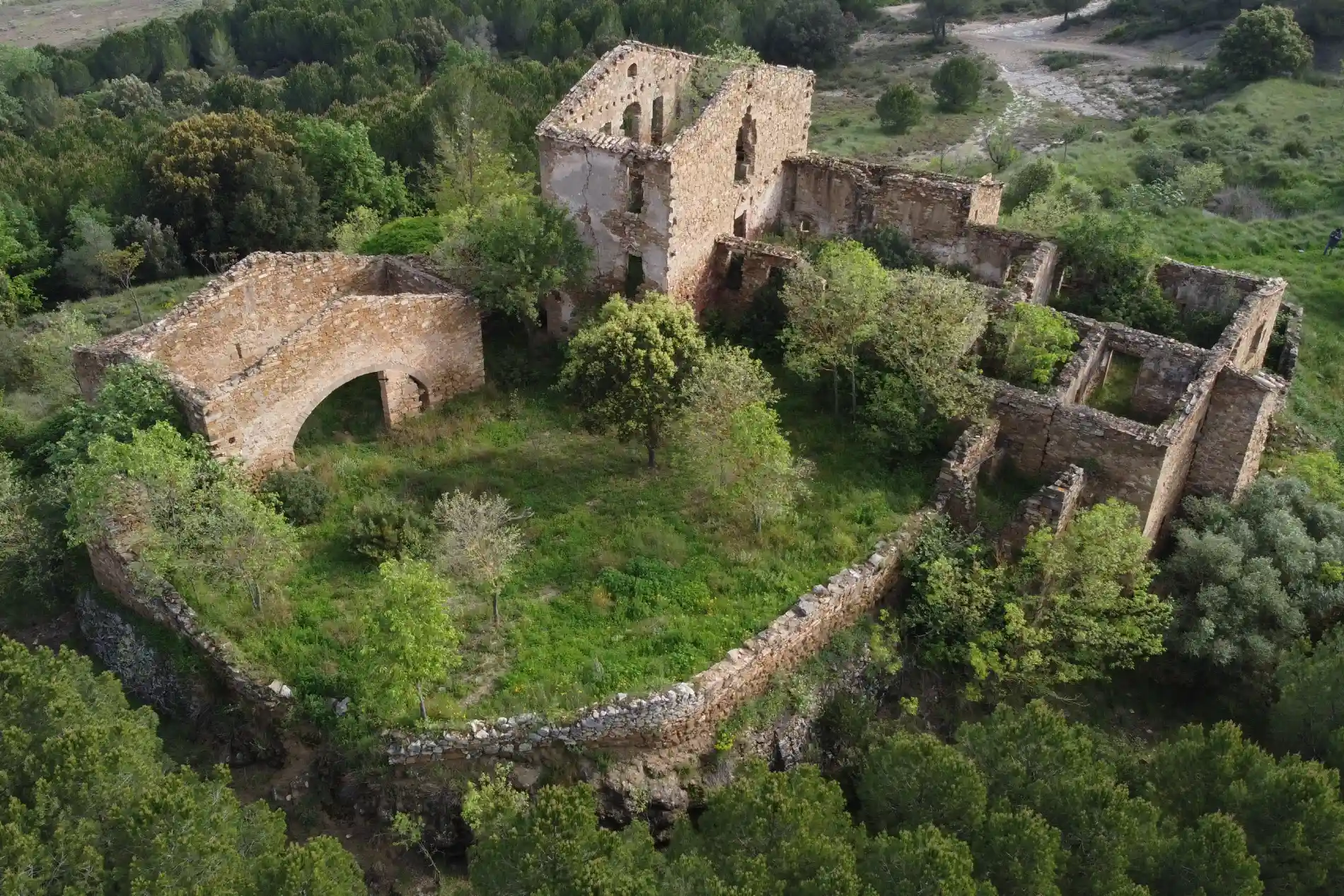
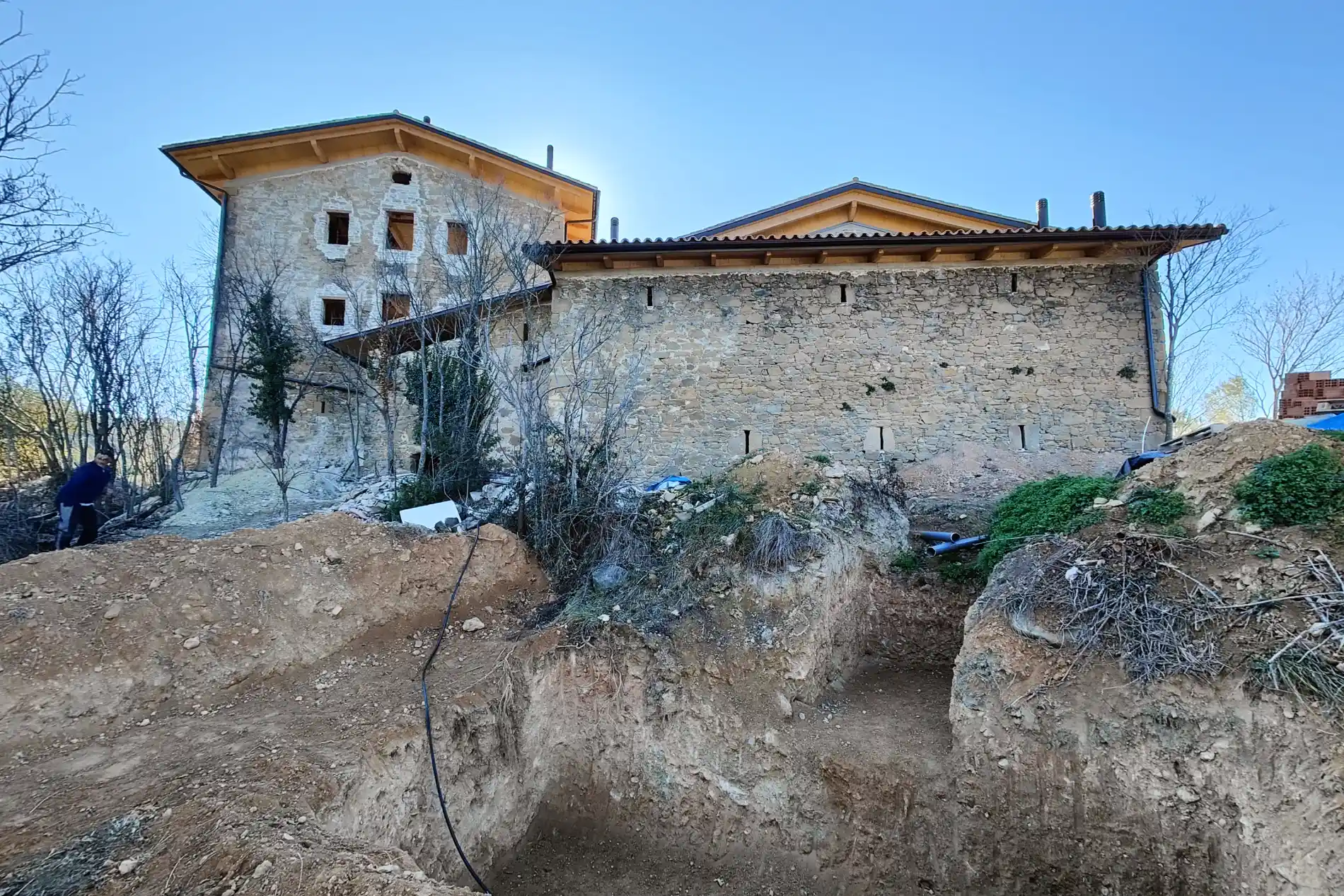
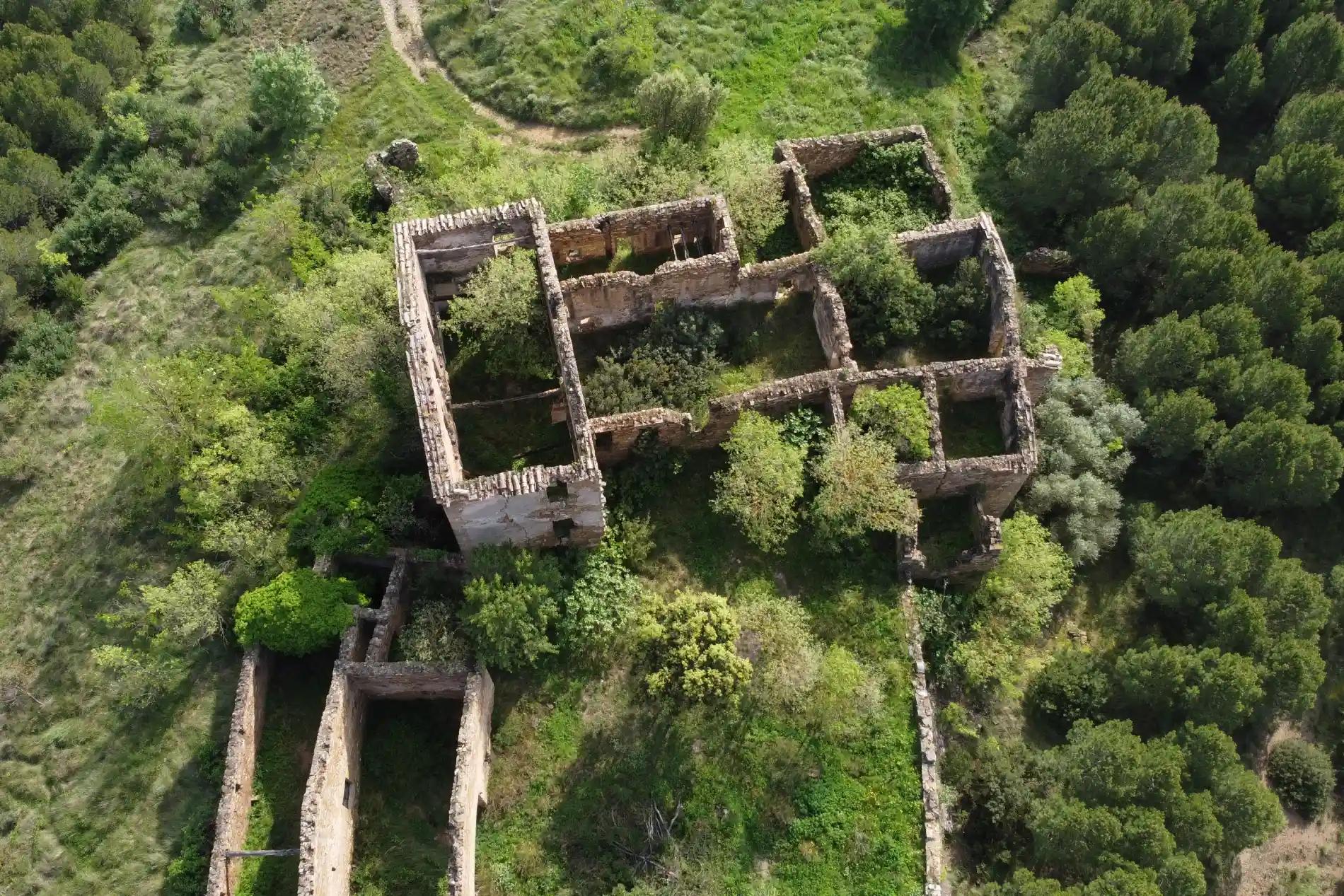
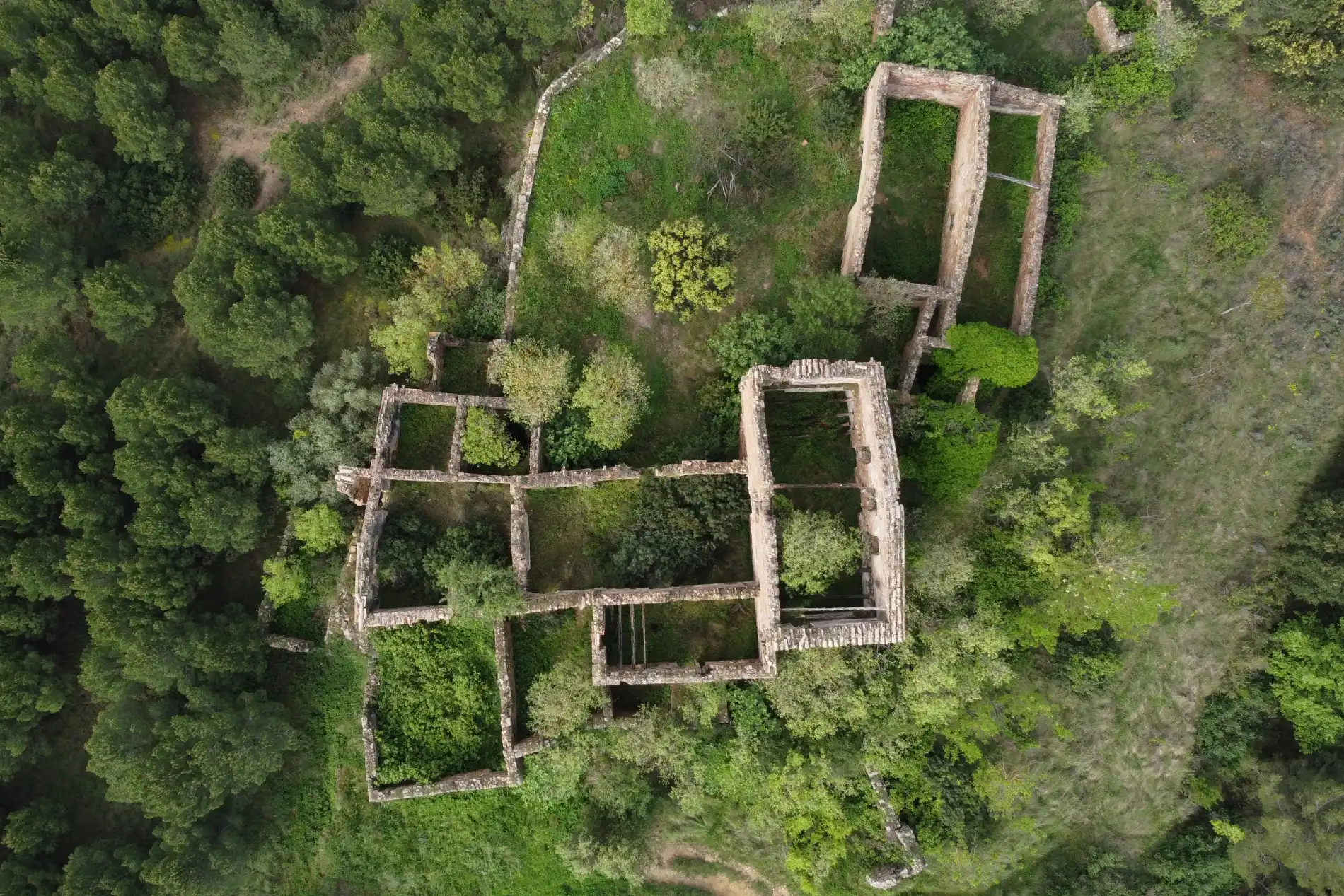
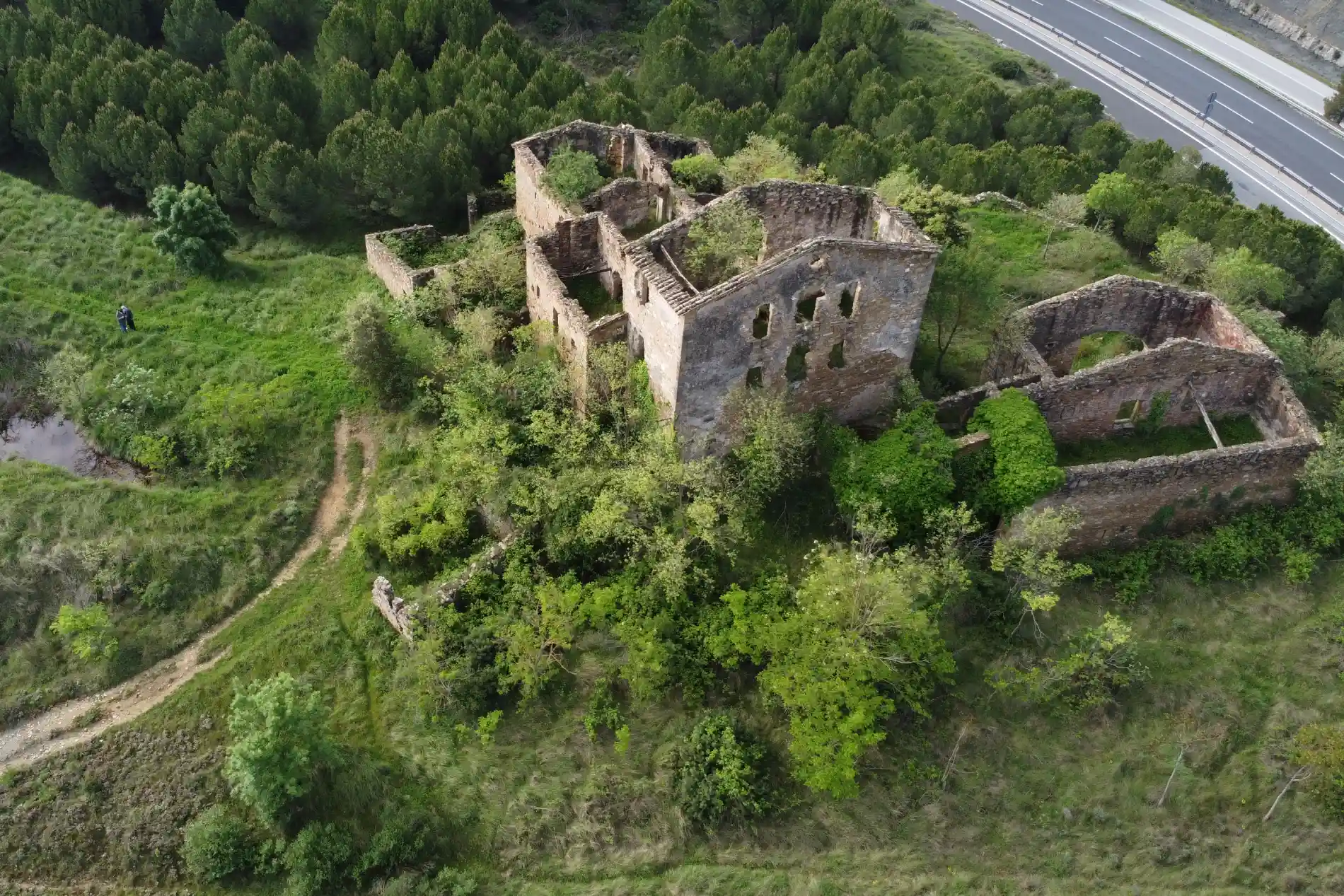
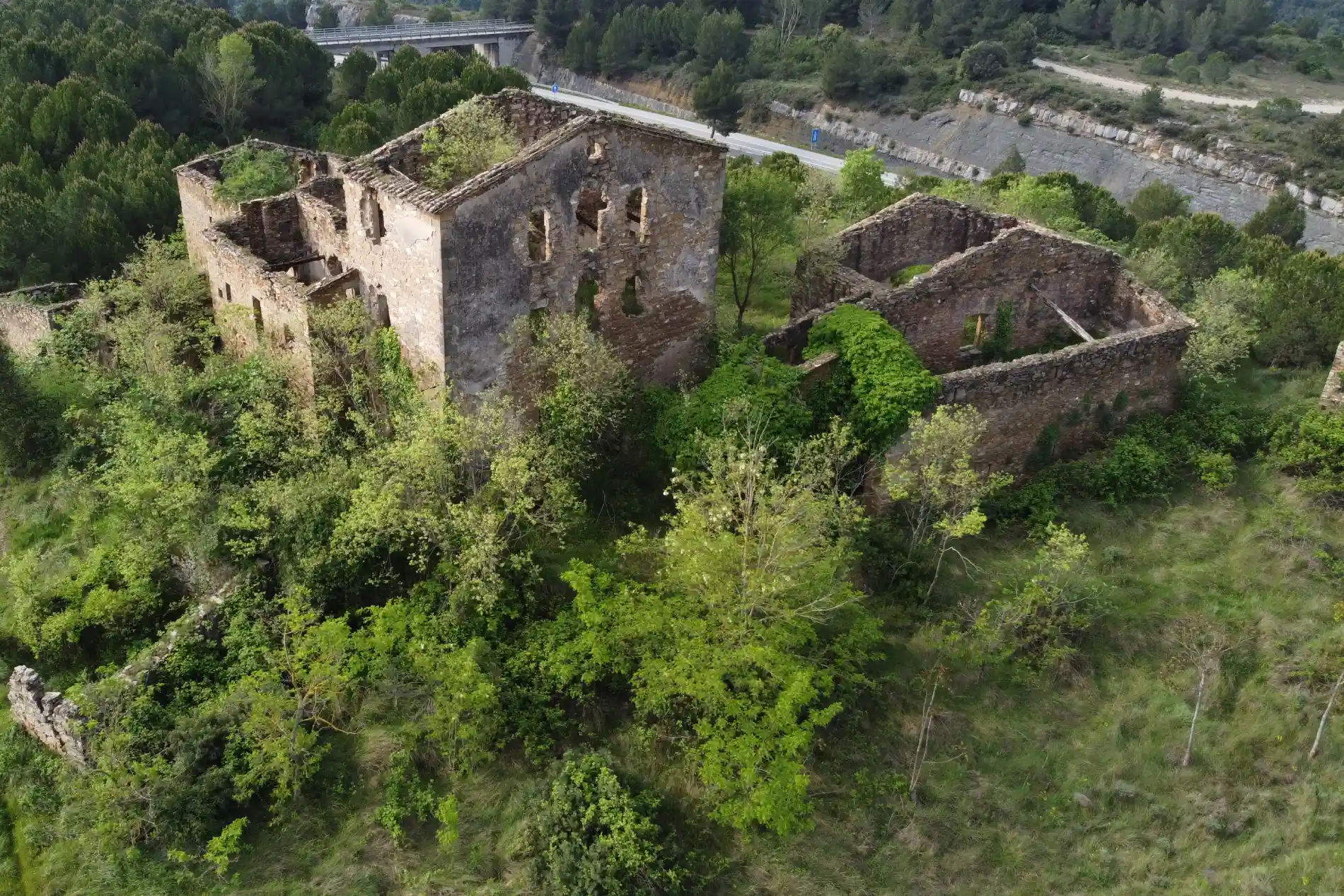
In this project, we carried out the comprehensive renovation of a century-old farmhouse located in El Pedró de l’Escala, just a few meters from the Mediterranean Sea. The approach was clear from the start: restore without erasing, and update comfort without losing the soul of the original architecture.
Recovering traditional techniques and materials
During the intervention, unique elements of great constructive and cultural value were preserved and restored, such as:
Traditional barrel vaults.
Handcrafted solid wood joinery.
Integrated furniture with simple and noble lines.
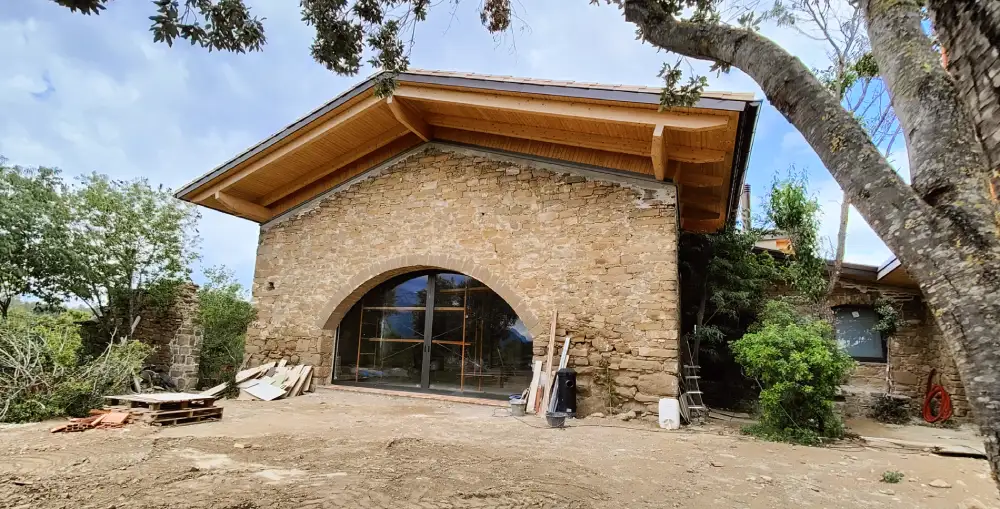
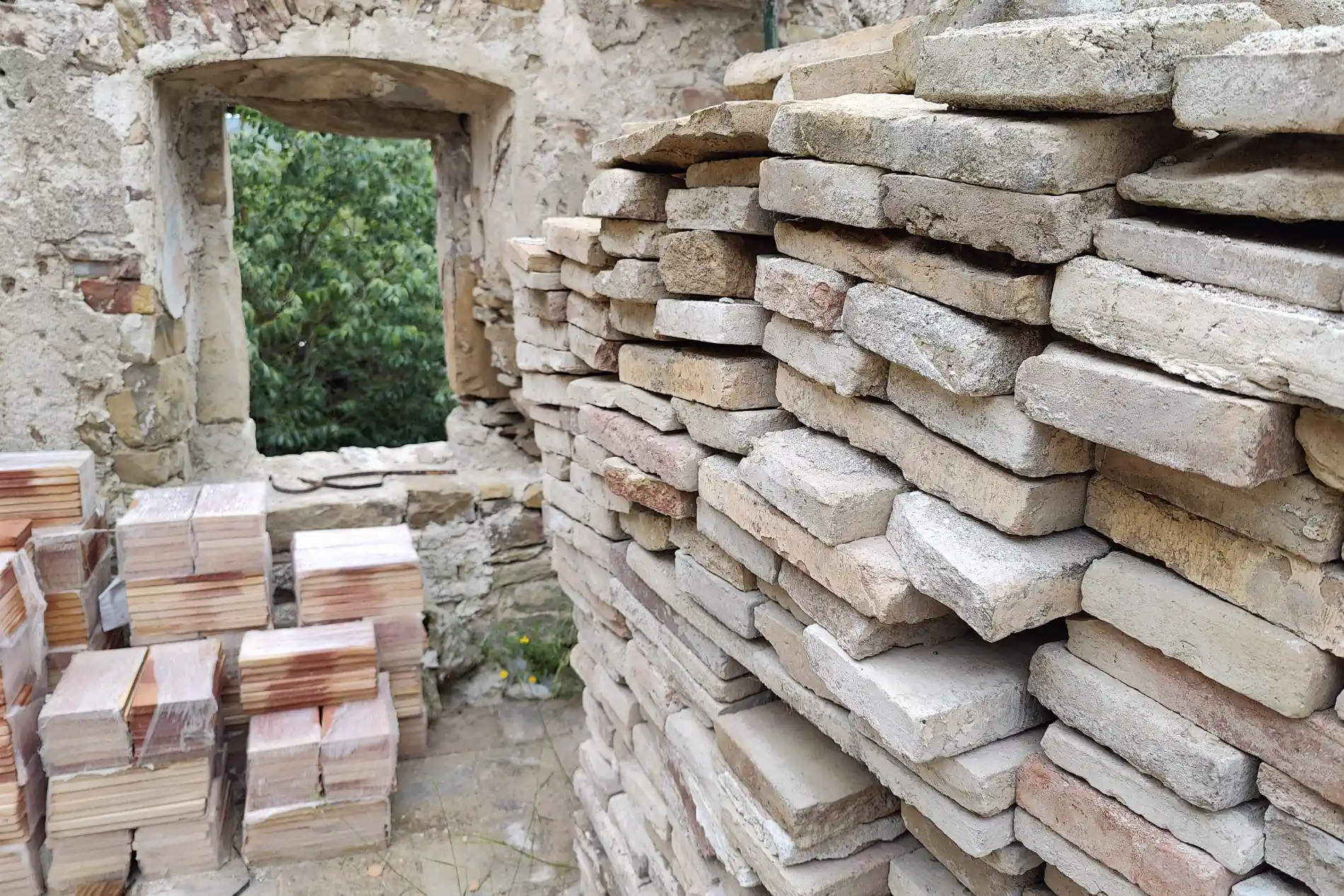
The renovation also incorporated new materials with a traditional appearance, carefully selected for their durability, aesthetics, and compatibility with existing construction systems: natural ceramics, timeless metal faucets, soberly designed sanitary ware, and a color palette in earth and stone tones, consistent with the environment and the material memory of the building.
Inhabiting the past without renouncing the present
Choosing bio-construction is not only about using natural materials, but also about respecting the logic of the original building, its way of breathing, and its relationship with the climate and the site.
This farmhouse, like many traditional Mediterranean constructions, already incorporated passive solutions that we have preserved: walls with thermal inertia, protected openings, ventilated ceilings, and a layout oriented toward the sun and wind.
Every design decision was made based on the balance between contemporary comfort and the profound sustainability of what was already well-built.
What does bio-construction contribute to the restoration of farmhouses?
It allows for the updating of the building’s thermal and functional performance without sacrificing its identity or compromising its constructive logic. Priority is given to conservation, breathability, and the use of compatible materials.
Why is it important to maintain traditional techniques such as vaults or solid joinery?
They are effective, durable, and renewable solutions based on local trades and natural materials. Restoring them is also an act of cultural sustainability.
What type of materials were used in this renovation?
Restored original materials were combined with new ones of traditional appearance: handcrafted ceramics, natural stone, cast iron, wood without synthetic varnishes, and breathable finishes.
Is it possible to live with modern comfort in a century-old building?
Yes, provided that the intervention is carried out with sound judgment. Comfort is achieved by combining natural insulation, cross ventilation, thermal inertia, and passive solutions integrated into the original logic of the building.